
Air conditioners can feel essential on those sticky hot days, but the electricity bill often brings a quick reality check. As someone who grew up in a tropical country where summer lasts half the year, AC has always been non-negotiable for me. Yet I have learned to manage the costs without giving up comfort.
If you also reach for the AC remote the moment you step into a stuffy room, you’re not alone. This guide shares simple, realistic ways to stay cool while keeping your electricity bill under control.
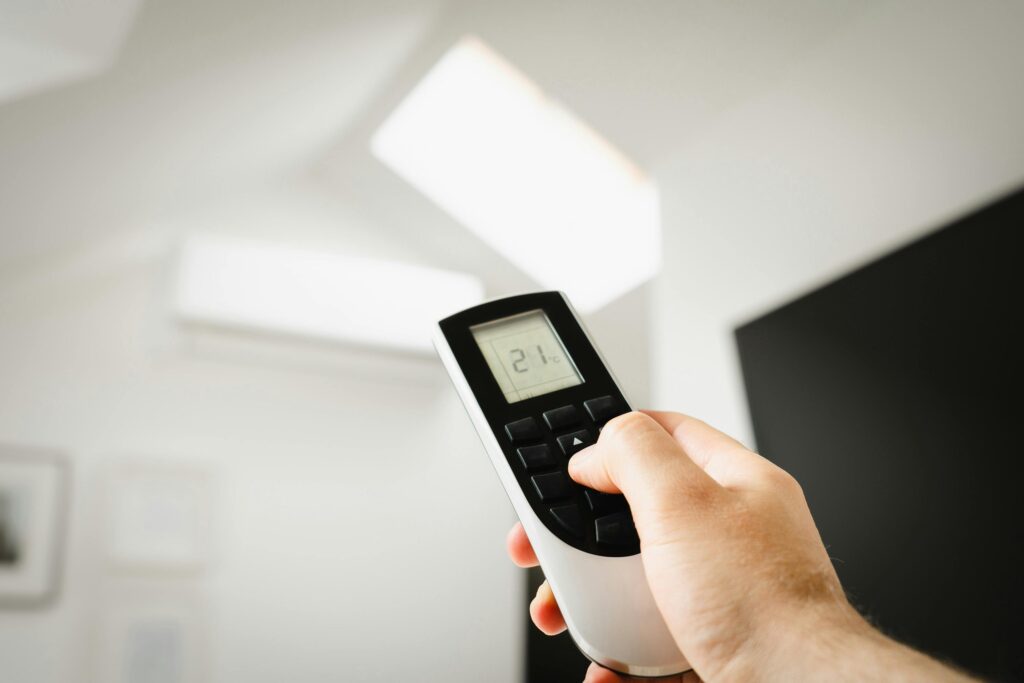
Understand How Your AC Uses Electricity
Before changing anything, it helps to see the big picture.
- In many homes, AC is one of the largest electricity uses in summer, especially during heat waves.
- Long run times at very low settings usually mean higher bills. Shorter runs at moderate settings usually feel easier on your wallet.
Think of three areas that affect air conditioner power saving:
- The AC unit itself.
- Your room and home.
- Your daily habits and schedule.
When you work on all three, you move closer to real electricity cost reduction, not just tiny changes.
Choose Inverter AC vs Non‑Inverter AC
If you are choosing or upgrading an AC, this decision matters for long‑term costs.
- Inverter AC changes compressor speed based on how much cooling your room needs. This design is linked with more energy‑efficient AC usage, especially when the AC runs for many hours. For heavy daily use, an inverter model generally supports better air conditioner power saving over time.
- Non‑inverter AC usually turns the compressor fully on and off. This pattern may use more energy across long days of cooling. For rare use, such as a guest room, a non‑inverter can still work.
When you compare units, you can:
- Look at efficiency ratings like SEER (Seasonal Energy Efficiency Ratio) or EER (Energy Efficiency Ratio). Higher ratings often relate to less energy per unit of cooling.
- Match capacity to room size so the AC does not cycle too quickly or run non‑stop.
- Check features such as energy‑saving mode in AC, timers, and variable fan speeds.
You might see an inverter AC as an investment. The upfront price feels higher, yet the potential to lower AC electricity bills across many seasons can make the total cost of ownership more friendly.
Use Thermostat Temperature Settings That Work For You
Thermostat temperature settings often decide whether you save or overspend. The goal is comfortable, not freezing cold. You can find your sweet spot with these thermostat temperature settings.
Many energy organizations recommend ranges like:
- Around 24 to 26°C (75 to 78°F) when you are at home and awake.
- Around 26 to 28°C (78 to 82°F) when you are asleep or away, if that still feels safe and comfortable in your climate.
You might find that:
- A small change such as going from 23°C (73°F) to 25°C (77°F) can lower AC energy use over a full month.
- A fan at medium speed often makes 25 to 27°C (77 to 81°F) feel comfortable because moving air helps your skin release heat.
If your place feels humid, moisture control mode (the water droplet symbol) can help at certain times:
- Dry mode aims more at removing moisture than at strong cooling and is usually linked with lower energy use compared to standard cool mode.
- It works well during rainy days or evenings when air feels sticky but not extremely hot.
Decide If Turning AC Off When You Are Not Home Helps
You may have heard debates about this: is it better to keep the AC on or to turn it off when you go out?
Energy analysis and HVAC experts show that, for longer absences, turning the AC off or using a higher setback temperature usually results in lower total energy use than keeping the same cool temperature all day.
The AC does not need to maintain a cold room for hours when no one is there.
Important ideas:
- It often takes less energy to cool a warm room once than to hold that room at a low temperature for many hours.
- The common idea that the AC “works too hard and wastes extra energy” when it turns on later is not strongly supported in engineering studies.
Time‑of‑use electricity pricing makes timing even more important:
- Many utilities charge higher rates in late afternoon and early evening and lower rates at night or early morning.
- In that case, you can:
- Precool your home in lower‑price hours.
- Turn the AC off or raise the temperature during peak hours.
- Cool again when prices drop.
You might run your own home experiment:
- Week 1: Leave the AC at your usual setting all day.
- Week 2: Turn it off or set it higher when you leave for work or errands.
Compare your electricity use or cost through your utility portal and see which pattern looks better in your real life.
Improve Room & Home Efficiency
Room and home efficiency act like silent partners in your AC energy-saving tips. If your home lets heat in and cool air out, your AC has to work harder.
You can start with quick wins:
- Seal air leaks
- Use weatherstripping and caulk around windows, doors, and vents. Air leakage is linked with higher heating and cooling demand and higher bills.
- Use weatherstripping and caulk around windows, doors, and vents. Air leakage is linked with higher heating and cooling demand and higher bills.
- Block strong sunlight
- Hang blackout curtains or thermal drapes on sunny windows. These window treatments reduce solar heat gain and help your AC cool less often.
- Add window films or outside shade screens for windows that face direct afternoon sun.
- Improve AC insulation and room cooling
- Upgrade attic insulation toward the R‑values recommended for your region to slow heat flow into living spaces.
- Consider radiant barriers or reflective materials under the roof to reduce radiant heat transfer.
- Use fans smartly
- Run ceiling fans in summer direction so they push air down. This can make people feel comfortable at 1 to 2°C (2 to 4°F) higher thermostat settings.
- Run ceiling fans in summer direction so they push air down. This can make people feel comfortable at 1 to 2°C (2 to 4°F) higher thermostat settings.
- Focus cooling where you live
- Close doors and vents in rooms you rarely use if your system allows it. This approach sends more cool air to the rooms that matter most.
You might stand in your home at 3 p.m., watch where the light hits, and feel where the drafts are. That quick walk often reveals where your next small project should go.
Follow AC Maintenance Tips That Actually Matter
AC maintenance tips can look simple, but they support real air conditioner power saving and fewer breakdowns.
Guidance from energy departments highlights that:
- Dirty filters block airflow, raise energy use, and can shorten system life.
- Dust and dirt on coils reduce the unit’s ability to move heat, which leads to longer run times and higher use.
Helpful actions you can plan:
- Filters
- Clean or replace filters about once a month during heavy use, or according to your filter instructions.
- Clean or replace filters about once a month during heavy use, or according to your filter instructions.
- Professional service
- Book a full AC check at least once a year. This often includes coil cleaning, refrigerant level checks, and electrical checks that protect efficiency.
- Book a full AC check at least once a year. This often includes coil cleaning, refrigerant level checks, and electrical checks that protect efficiency.
- Outdoor unit care
- Keep plants, leaves, and objects away from the outdoor unit so it has good airflow on all sides.
- Keep plants, leaves, and objects away from the outdoor unit so it has good airflow on all sides.
- Small tune-ups
- Flush the condensate drain line to avoid moisture buildup.
- Straighten bent fins gently so air can pass through coils more easily.
If your AC suddenly sounds louder, cools unevenly, or feels weaker, maintenance may be the first thing worth checking. A little care now can support lower AC electricity bills later.
Practice Daily Habits That Support AC Energy Saving Tips
Your daily routine shapes how often your AC turns on and how long it runs.
You might try:
- Shift heat‑heavy tasks
- Use ovens and clothes dryers in the evening or early morning rather than midday. Government energy guides link these habits with lower cooling demand.
- Use ovens and clothes dryers in the evening or early morning rather than midday. Government energy guides link these habits with lower cooling demand.
- Use “free cooling” when possible
- Open windows when outside air feels cooler than inside, often late at night or early morning, and close them once the heat rises.
- Open windows when outside air feels cooler than inside, often late at night or early morning, and close them once the heat rises.
- Vent hot, humid air quickly
- Turn on bathroom and kitchen exhaust fans after showers or cooking to send warm, moist air outside.
- Turn on bathroom and kitchen exhaust fans after showers or cooking to send warm, moist air outside.
- Let fans help first
- Try fans on mild days before you switch on the AC. This step lets you raise the thermostat while staying comfortable, and fans normally use much less energy.
- Try fans on mild days before you switch on the AC. This step lets you raise the thermostat while staying comfortable, and fans normally use much less energy.
- Watch your data
- Check your utility app or smart meter to see how usage changes when you adjust habits week by week.
You might pick one new habit each week. Over a season, these little moves can add up on your bill without feeling like a strict “no comfort” rule.
Use Smart AC Choices And Energy‑Saving Mode
Smart tools and built‑in features help automate air conditioner power saving.
Research on smart thermostats from energy programs shows that automatic schedules and setpoints can reduce heating and cooling energy for many households. These tools can:
- Adjust temperatures when you usually leave home or go to sleep.
- Pre‑cool just before you arrive, instead of running all day.
- Give you reports so you see how thermostat temperature settings affect your bill.
On many units, energy‑saving mode in AC adjusts how the compressor and fan run:
- The system still aims for comfort but tries to reduce power use by cycling more gently.
- Temperatures may swing a bit more, but the tradeoff supports more energy‑efficient AC usage.
If your electricity plan has peak and off‑peak times, you can combine smart control with these windows:
- Cool your home more before peak hours begin.
- Allow the temperature to rise a little during the most expensive time, if that still feels comfortable.
This approach lets your AC support your comfort and your budget at the same time.
Beat the heat without hurting your wallet.
You do not need to apply every idea this week. You might start with just one: lifting your setting to 25°C (77°F) with a fan, turning the AC off when you leave for a long stretch, or sealing that one window that always leaks hot air.
Each small change helps reduce AC electricity consumption and save power with air conditioner use, while still giving you a cool, calm place to rest at the end of a long, bright day.