
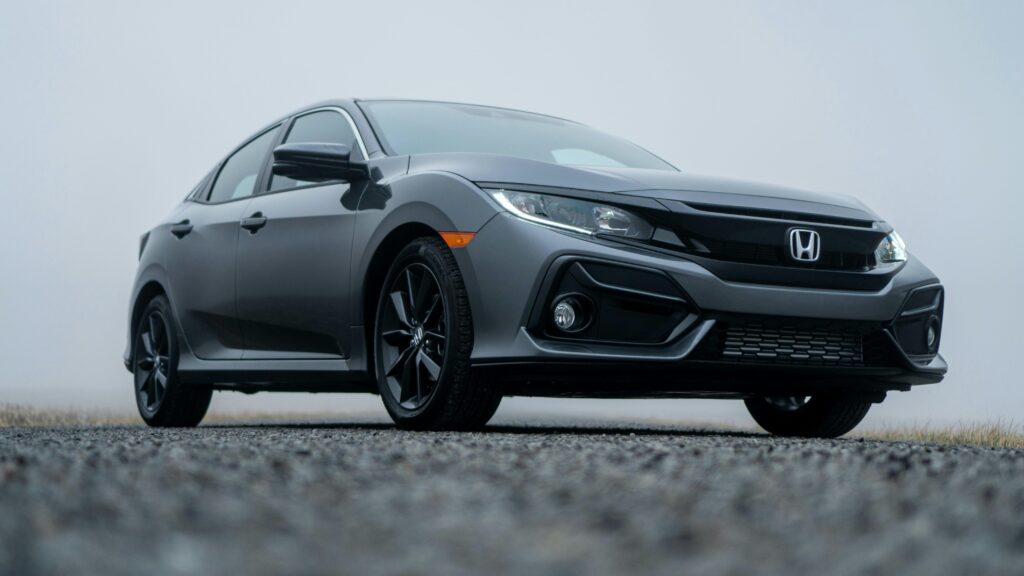
Buying a new car in the Philippines isn’t just about choosing a model you like. It involves budgeting, loan applications, dealership negotiations, and understanding financing terms.
I recently bought my own car, and here’s the full process I went through — including things I wish I knew earlier.
Step 1: Check your budget and choose the car you want
Before visiting any dealership, compute your total budget.
Do not just focus on the monthly amortization. Also include:
- Insurance
- Gas
- Toll fees
- Parking fees
- Maintenance
- Registration renewal
- Unexpected repairs
A car is a long-term financial commitment. Make sure your monthly payment comfortably fits your income.
Step 2: Test drive the car
You can test drive multiple cars — and I highly recommend doing so. Even if two cars look similar online, they can feel very different when driving.
In my experience, it’s better if you already have a trusted sales agent before visiting the dealership. An agent can:
- Schedule your test drive
- Assist you during your visit
- Explain features properly
- Help you compare units
Is the test drive free?
Yes. Test drives are free in most Philippine dealerships.
Can I test drive even if I’m not yet approved for a loan?
Yes. You can test drive even if your financing is still pending. Approval is not required before test driving.
However, bringing a valid ID is usually required.
Step 3: Apply for a car loan and submit requirements
You can apply either:
- Directly through a bank (bank financing)
- Through the dealership (in-house financing)
Directly through a bank (bank financing)
You go directly to the bank and apply for a car loan. The bank will check your income, employment, and credit history to see if you can afford the monthly payments.
If approved, the bank will pay the dealership for the car on your behalf. After that, you will pay the bank back monthly based on the loan agreement.
Think of it like:
Bank = pays for your car first
You = pay the bank back in monthly installments
Through the dealership (in-house financing)
You apply for financing directly at the car dealership. The dealership will process your loan application and act as the middleman between you and their partner financing company.
If approved, the dealership releases the car to you, and you will pay monthly installments directly to the financing company or dealership.
Think of it like:
The dealership helps process your loan.
You pay monthly to their financing partner.
Bank financing vs in-house financing
In general:
Bank financing
- Lower interest rates
- Usually requires higher down payment
In-house financing
- Higher interest
- Sometimes lower DP requirement
- Easier approval in some cases
Always compare offers before deciding.
Can I apply for a car loan online?
Yes. I applied online and got approved.
Most banks now allow online applications. In my case, I did everything online except signing the final documents.
You can also send your documents to someone you know in the bank to help expedite the process.
What is CI (credit investigation)?
In my experience, I received a CI call from the bank, where they conducted a short interview. They asked questions like:
- What is your source of income?
- How long have you been working?
- Do you own your home or live with your parents?
- How stable is your income?
Aside from the phone interview, someone from the bank also went to our house for verification. This is normal. They usually just confirm your address and make sure the information you submitted matches your application.
It might feel intimidating at first, but it’s simply part of their process to assess your creditworthiness and financial stability before approving the loan.
Will the bank contact my employer or company?
Yes. Some banks may email your employer to verify your employment status.
During my application, I noticed that the bank contacted our HR department via email to verify my employment information.
What documents are required?
Most banks require proof of income covering the last 6 months.
Common requirements:
- Valid IDs
- Payslips or proof of income (last 6 months)
- Bank statements
- Proof of billing
I work as a freelancer and don’t have an ITR yet. Can I still apply?
In my experience, they did not ask for my ITR. However, some strict banks may require it.
Freelancers can still apply, especially if you can show consistent income in the last 6 months.
Should I use a car loan calculator?
Yes. To weigh your options properly, use a car loan calculator to estimate:
- Monthly amortization
- Total interest paid
- Loan term impact
This helps you avoid surprises.
Step 4: Look for a car sales agent while waiting for loan approval
Finding a car sales agent can actually be part of Step 2 when you are choosing and test driving your preferred car.
While my loan was still pending, I also started looking for a reliable agent so I could compare promotions and get help with the purchasing process.
Having an agent helped me stay updated on promotions, reservation requirements, and document processing. They also helped coordinate between the bank and the dealership, which made the process smoother and faster.
Building a good relationship with your agent can be helpful, especially if you need assistance with quotations, reservation fees, or release schedules.
Ask about freebies
You can ask your agent about:
- Free tint
- Free seat covers
- Free floor mats
- Free LTO registration
- Free insurance (during promos)
- OR/CR release timeline, since some dealerships can be slow in processing registration documents. In the Philippines, OR/CR release can take a few weeks to a few months depending on the dealership and LTO processing.
Do agents prioritize cash buyers?
I’ve read on Reddit that some agents prioritize buyers paying in cash.
In my experience, even when I mentioned I was initially considering paying in cash, my agent was still responsive and professional. There was no pressure to pay in cash.
Can I get a discount even if I won’t buy in cash?
Yes — this happened during my application.
Even if you are financing your car through a loan, you can still get discounts from the dealership or agent.
For example:
- SRP: ₱1,200,000
- Discount offered by the agent: ₱50,000
- Net price: ₱1,150,000
The bank will usually compute your loan based on the discounted price (₱1,150,000) instead of the original SRP. This helps lower your monthly amortization because you are borrowing a smaller amount.
My advice is to look for agents or dealerships that offer promos, discounts, or free add-ons to help you save money on your purchase.
Step 5: Reserve your unit (optional) and coordinate with your bank
Once approved, I paid a ₱10,000 reservation fee to secure my unit because there was only one stock available for the color I wanted. The ₱10,000 reservation fee can also be applied to the down payment.
For example, if the required down payment is ₱500,000, and I already paid ₱10,000 for the reservation fee, then I only needed to pay ₱490,000 as the remaining down payment to the dealership.
At this stage, compare full breakdowns carefully.
Look at:
- Interest rate
- Monthly amortization
- Chattel mortgage fee
- Insurance cost
- Other bank charges
What is a chattel mortgage?
A chattel mortgage is the legal document that registers the car as collateral for your loan.
During some bank promos:
- Chattel mortgage may be waived
- First-year insurance may be free
However, free insurance often means you are locked in with that provider.
Always compare total figures before deciding.
Step 6: Let the bank and dealership coordinate
After confirming everything, the bank and dealership will coordinate.
How do I send the down payment?
In my case, I deposited the down payment directly into the dealership’s bank account.
Other methods may include:
- Manager’s check
- Bank transfer
- Over-the-counter payment
Always keep proof of payment and inform your bank officer once sent.
Step 7: Sign documents at the bank
After coordination is complete, you will be asked to visit the bank to sign loan documents.
If you don’t have a bank account with them, they may require you to open one because some banks use it for automatic monthly deductions.
You may also need to prepare:
- Insurance documents
- Personal Property Security (PPS) documents
- Post-dated checks in some cases
Step 8: Claim your car from the dealership
The release process usually takes 1–2 hours if all documents are complete.
Before driving off, make sure to:
- Inspect the exterior for scratches
- Check interior condition
- Test lights, horn, and aircon
- Confirm included accessories
Based on my experience, a representative also explained the warranty coverage and walked me through the car’s basic features during the turnover.
I was also able to negotiate one of the freebies! The dealership originally included an early warning device, but since I already had one, I asked if they could replace it with a car cover instead. My agent agreed, and they swapped it at no additional cost.
It doesn’t hurt to ask — sometimes dealerships are flexible with freebies, especially if you communicate clearly.
Can I request a specific plate number for coding?
Yes, you can request a preferred ending number for your plate.
I requested a plate number with a coding day other than Wednesday, so I chose an ending that matched my preference.
There is an additional payment depending on the plate number.
My agent told me that plate numbers ending in 8 are usually more expensive because many people consider 8 a lucky number.
I have my car now. Can I drive it without my OR/CR?
Technically, no — you are not supposed to drive your new car on public roads without your OR/CR (Official Receipt and Certificate of Registration) in the Philippines.
The OR/CR serves as proof that your vehicle is officially registered with the Land Transportation Office (LTO). Without these documents, your car is not considered fully legal for public road use.
However, based on real buyer experiences, there is usually a short grace period after you receive your car. During this time, some buyers drive their new vehicles using only the sales invoice and conduction sticker provided by the dealership.
That said, this is only a temporary practical allowance and not a long-term legal exception. The LTO generally requires proper registration documents before regular road use. Driving without OR/CR for an extended period may expose you to traffic violations or penalties if you are stopped by authorities.
In practice, many new car owners wait until their OR/CR is released before using their vehicle for long-distance or daily commuting.
If your OR/CR processing is delayed, it’s best to regularly follow up with your dealership and the LTO, since document processing timelines can vary depending on LTO workload and dealership coordination.
Can I have my car RFID installed without my OR/CR and plate number?
Yes, you can usually have your RFID installed even without the OR/CR and plate number yet. In most cases, and based on my experience, you just need to present:
- Sales invoice
- Valid ID
Some RFID installers may have additional requirements, so it’s best to confirm with the installation center beforehand.
Final tips when buying a new car in the Philippines
When buying a new car, don’t just focus on the monthly amortization. It’s important to consider the full cost of owning a car.
Make sure to also compute the following recurring expenses:
- Insurance renewal
- Gas
- Toll fees
- Parking fees
- PMS (Preventive Maintenance Service)
- Registration fees
A car provides convenience, but it also comes with ongoing expenses. Proper planning helps ensure that your car remains a helpful asset rather than a financial burden.
Other practical tips include:
- Save for a higher down payment to help lower your monthly amortization and overall loan interest.
- Compare loan interest rates from multiple banks
- Prepare your documents early to avoid delays
- Ask about dealership promotions and free insurance offers during promos
- Don’t rush your decision — take time to compare options and review loan terms carefully
Frequently asked questions
Is it better to buy a car in cash or through a loan?
Cash payments save you from interest, but loans help you preserve your savings for emergencies.
How long does the car-buying process take?
From application to car release, it can take a few weeks depending on loan approval and document processing. In my case, it took around 3 weeks.
Can foreigners buy cars in the Philippines?
Yes, but additional requirements may apply depending on visa status and financing options.