
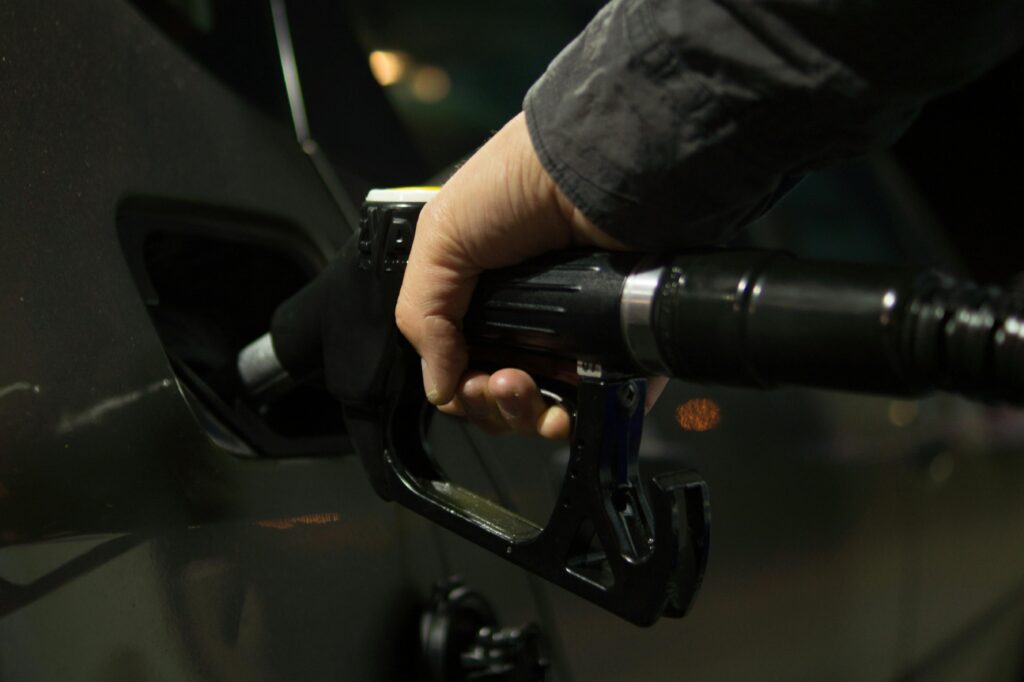
Gas prices feel high when filling up starts to sting every time. With the current war and tension between the US and Iran affecting global oil supply, fuel costs are rising quickly in many countries.
You keep seeing headlines about higher oil prices and new hikes at the pump, and it’s natural to wonder what you can actually do. You can’t control world events, but you can adjust small daily habits, and learning how to save on gas is mostly about quietly using less fuel each day while everything else plays out in the background.
Ease up on the gas pedal
Fast starts and hard braking burn a lot of fuel. When you step hard on the gas, then slam the brakes, the engine works extra and your tank empties faster.
Try pressing the pedal gently and give your car time to speed up. When you see a red light or slow traffic ahead, lift your foot early and let the car roll instead of racing to the stop.
Use cruise control on long drives
Cruise control can help you save gas on highways and long, open roads. It keeps your speed steady, which prevents small speed changes that quietly burn extra fuel.
When you constantly speed up and slow down, your engine uses more fuel than necessary. Cruise control helps maintain a consistent speed, which can improve fuel efficiency over time.
From my experience, driving at a steady speed with cruise control helps my car use less fuel compared to constantly adjusting the gas pedal. Small habits like this can quietly help you save money on gas over time.
Cruise control works best on flat highways with light traffic. If the road is very hilly or busy, it’s usually better to control the speed yourself.
Keep your speed moderate
Driving very fast on the highway wastes fuel because the car needs more energy to push through the air.
If you can, stay at a steady and moderate speed instead of constantly accelerating. Smooth driving habits can make a noticeable difference in fuel use over time.
Use your brakes less (on purpose)
“Hitting the brakes less” doesn’t mean driving crazy. It just means looking further ahead so you slow down nice and easy instead of slamming to a stop.
When you see traffic slowing, take your foot off the gas early and coast. Gentle slowing uses the energy already in the car, instead of wasting it as heat in the brakes.
Check your tire pressure regularly
Soft tires quietly waste fuel. When pressure is low, the car needs more power to move, even if it feels normal.
Check your tires at least once a month, or before long trips. Use the recommended pressure on the sticker in your door, not the number on the tire sidewall.
Keep your air filter clean
Your engine needs clean air to run well. A dirty air filter makes it harder for air to get in, so the engine uses more fuel.
Every now and then, open the air filter box and look at it. If it looks very dark or packed with dust and leaves, it’s time for a new one.
Plan trips instead of “just going”
Many short, random trips use a lot of fuel. Cold engines are less efficient, and driving back and forth across town adds up fast.
Before you leave home, list what you need to do and where you need to go. Combine errands into one loop so you drive less and save money on fuel.
Choose when and where you fill up
Stations in busy, “convenient” spots often charge more. You pay extra just because it’s right on the main road.
Look at prices at stations along your normal routes and pick a cheaper one you pass often. You don’t need to drive far; just avoid the most expensive pump on the corner.
Use points, rewards, and cashback
If you buy gas anyway, you might as well get something back. Many gas stations, groceries, and banks offer points or cashback on fuel.
Use a card or app you already trust, and scan or tap it when you fill up. Over time, the points can cover part of a tank and lower your real cost per liter.
Lighten the load and clean up the roof
Heavy stuff in your trunk makes your car work harder. That means more gas, even if you forget it’s back there.
Take out tools, boxes, or gear you don’t need every day. Remove roof boxes or racks when you’re not using them because they add wind drag, especially on the highway.
Use air‑conditioning smartly
AC uses fuel, but driving with all the windows down at high speed can also waste fuel. It’s about balance. The goal is to stay comfortable, not freezing.
In the city, windows down is usually fine. On the highway, use AC on a moderate setting and close the windows so the car doesn’t fight extra wind.
Think about your car choice
The car you drive sets your basic fuel use. A big, heavy SUV usually drinks more gas than a small, efficient car.
When you’re ready to replace your car, compare fuel economy, not just price and looks. A car that uses less fuel every week can save a lot of money over years.
Drive less when possible
You don’t have to stay home to save on gas, but cutting a few trips can help.
Sharing rides, walking, biking, or using public transport for short trips can make your fuel last longer.
Bringing it all together
Big world events can push gas prices up overnight. You can’t control that, but you can control how you drive and how often you use your car.
Small habits like gentle acceleration, proper tire pressure, planning trips, and choosing cheaper stations can quietly stretch each tank. Over time, these little changes make filling up feel a bit less painful.
And if you’re thinking about buying a car in the future, it’s also smart to plan ahead financially. Saving for the purchase, insurance, maintenance, and fuel can make car ownership much less stressful. If you’re not sure where to start, check out my guide on how to save for a car, where I walk through budgeting, planning your down payment, and building a realistic car fund.