
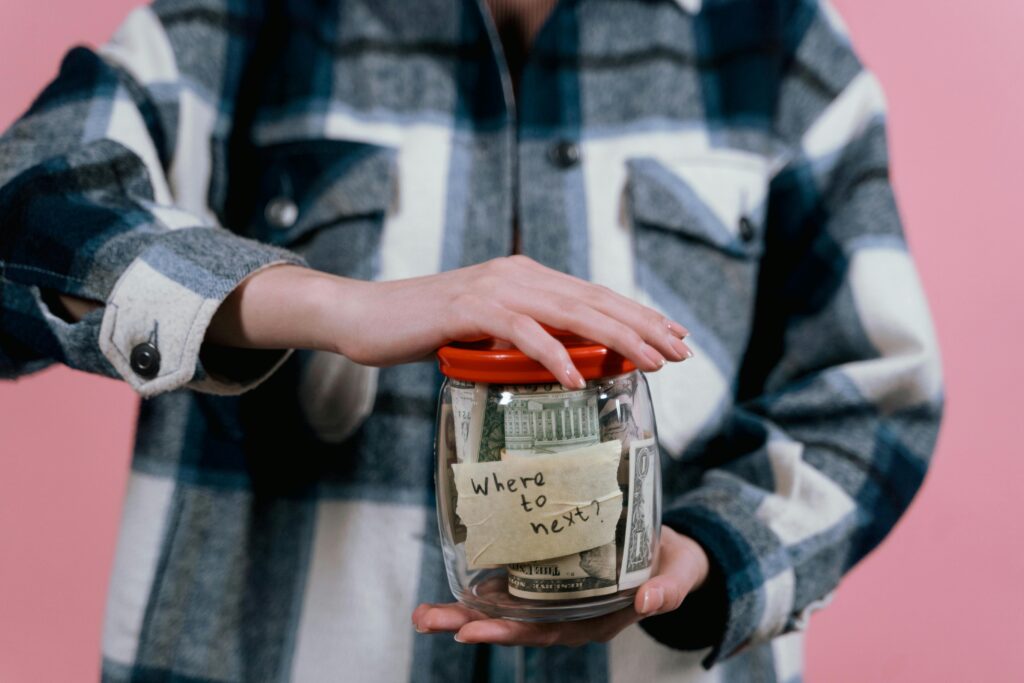
Is it just me, or whenever I’m scrolling through social media, does it feel like everyone else somehow has the funds to travel 24/7?. It’s so easy to catch major FOMO watching people post photos of beautiful beaches or old cities while feeling like your bank account just wasn’t invited to that party. You’ll see influencers spending thousands on a single week, but traveling on a budget isn’t about missing out; it’s more about knowing where the hidden costs are hiding and how to sidestep them.
You can literally see the same sunset as someone in a five-star resort while you’re staying in a charming guesthouse just down the road for way less money. It’s really just about planning early and shifting your focus to what you can actually do instead of what you can buy. Once you realize that a lower price tag doesn’t mean a lower-quality trip, it becomes much easier to actually book the flight instead of just watching everyone else’s stories.
Set a travel budget the way you manage everyday money
Traveling on a budget actually starts long before you pack a bag; it begins with how you handle money in your daily life. Treat your trip like any other financial goal by deciding how much you can comfortably spend without stretching yourself too thin. Just as you track groceries or bills at home, keeping tabs on your flights and meals makes travel costs feel way less stressful.
Breaking your budget into categories like transport, food, and activities helps keep everything organized. Even small habits, like bringing a reusable water bottle or making your own coffee, mirror the everyday decisions that keep your finances in check. When you save gradually by adding a small amount to a travel fund each month, planning a low-cost vacation just becomes another natural part of your routine.
Look for cheaper flights using the right search tools
Cheaper flights usually appear before your plans are even final. Looking early, without picking exact dates or a specific place, lets the prices help you choose your trip. Flight search tools don’t just show numbers. They help you see what a fair price looks like so you don’t overpay.
Using Google Flights to spot price trends
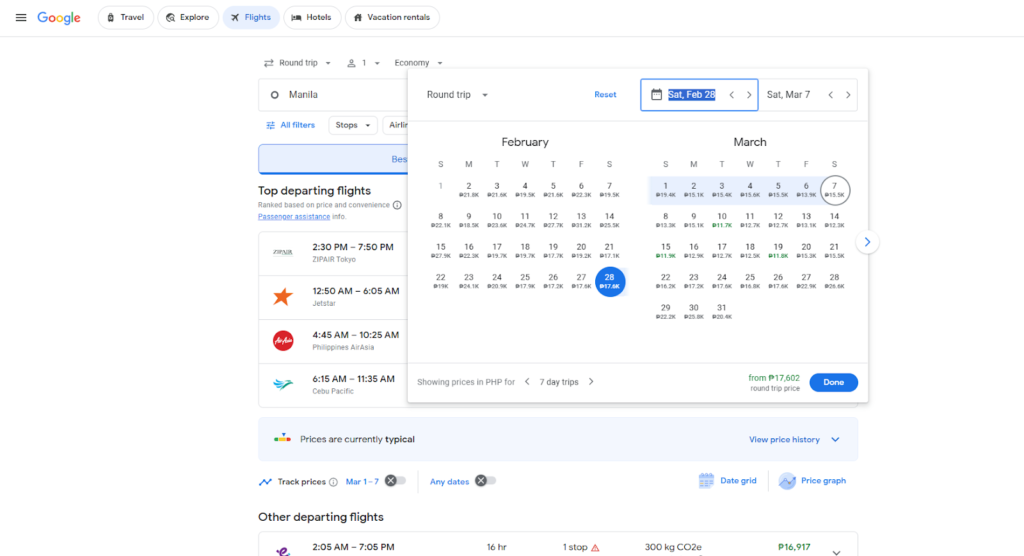
Google Flights is very helpful for seeing if a flight price is normal or too high. The calendar view shows how prices change across a week or a month, making it easy to see how weekends make costs go up. Tracking prices helps you wait for a better deal so you don’t feel rushed to book right away.
Using Skyscanner for flexible searches
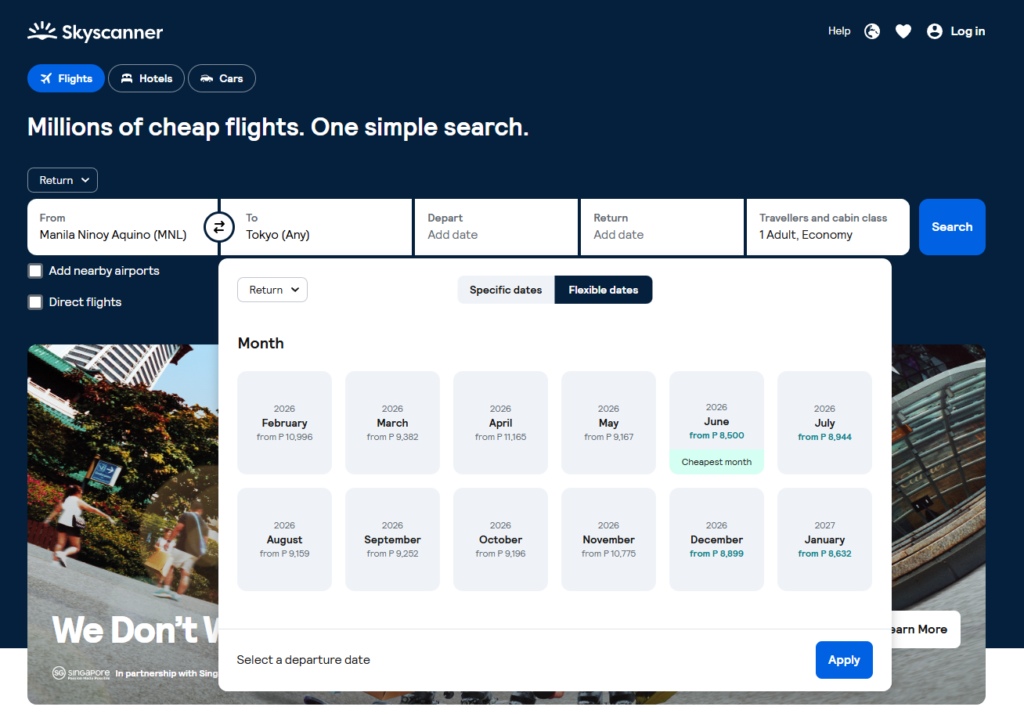
Skyscanner works best when your dates or destinations are still open. Searching by the whole month or picking the “everywhere” option often shows cheap routes you wouldn’t find in a normal search. Cheap airlines show up here more often, which is great if you are packing light and don’t mind using different airports.
Checking airline websites before booking
After finding a good price, it is often worth checking the airline’s own website. Sometimes prices are a little lower there, and the rules for bags and seats are much easier to understand. At this point, you aren’t just looking for the cheapest price; you are making sure you know exactly what you are paying for.
Letting price alerts do the waiting
Price alerts mean you don’t have to check for deals every five minutes. Watching prices change over time helps you learn what is a “good” price for your trip. This makes it much easier to know when a price is actually a great deal.
Travel outside peak season
Traveling when most people are at home doesn’t just make flights cheaper. Hotels lower their prices, tours aren’t crowded, and cities feel much more relaxed. Restaurants have open tables. Famous places don’t feel packed with people. Even the locals seem less stressed.
Cheap vacations often happen in the “shoulder seasons,” which are the months when the weather is still good but fewer people are traveling. Europe in late spring or Southeast Asia just after the busy season both feel calmer and cost much less. There might be a little rain, or it might be a bit hot. But the prices are much better, and the trip feels more authentic.
Stay slightly outside the center and use transport like a local
Your room will be a large part of your budget. Picking hostels vs hotels isn’t just about the price; it’s about the experience. Hostels often have kitchens, places to meet people, and good local tips. Hotels are comfortable but are often in tourist areas where everything costs more.
Staying a little outside the city center can save you a lot of money. A place near a subway or bus stop is often much cheaper and still lets you get everywhere easily. Using Airbnb alternatives or house sitting can lower your costs even more for long trips. You can even try “glamping” on a budget in places where campsites have small cabins that cost less than hotels.
Eat simply, shop locally, and let food costs settle
Food costs can grow very fast if you aren’t careful, so eating where the locals eat is usually the best way to find smaller menus and much lower prices. Street food is an especially great way to eat for very little money without feeling like you’re missing out on high-quality flavors. Shopping at local grocery stores is another fun way to see the culture and save at the same time.
In fact, on my last trip to Taiwan, my friends and I bought snacks from a large grocery store instead of hitting the smaller shops. We saw all the popular chips they sell in Taiwan for way less than what you’d pay at a convenience store like 7/11 or Family Mart.
Local markets and bakeries show you what people actually eat every day, and buying your own breakfast or snacks there keeps your spending steady. Sitting in a park with fresh bread from a market often feels better than being in a crowded, expensive cafe anyway.
Bring a reusable water bottle and avoid daily convenience spending
It is very easy to forget how much you actually spend on water when you’re constantly on the move. Buying bottled water every day might not feel expensive in the moment, but it really adds up over a week. Carrying your own water bottle is such an easy way to save, especially in cities where the tap water is safe to drink. We probably all have a few extra bottles lying around anyway because of those massive social media trends that made everyone obsessed with them.
You should definitely bring that bottle everywhere you go, even if you aren’t traveling, because carrying a reusable one will always help save you money. This small choice is just like how you manage your budget at home. It’s not about skipping things you need; it’s just about stopping those small costs that don’t add real value to your trip. On long trips, these small savings can easily pay for a museum ticket or a nice dinner out.
Try using public transport and walking more than you usually do
Using the bus or subway changes how your money lasts on a trip. Public transport costs much less than a taxi, and it helps you see parts of the city you would otherwise miss. Train passes can make long trips cheaper and less stressful. Renting a bike or a small scooter gives you freedom without the high cost of a car. Walking is the best budget tip; it’s free and helps you find the most interesting parts of a city.
Skip overpriced tours and build your own days
Tours can be convenient, but they are often very expensive. Free walking tours are a great alternative; you just give a small tip to the guide at the end. Many museums have free days where anyone can visit for $0.
Searching for “free things to do” online will show you parks, galleries, and festivals that cost nothing. City visitor passes can sometimes save you money if you plan to see many famous places and use the bus a lot in a few days.
Avoid bad exchange rates and hidden fees
Currency exchange booths at the airport usually have very bad rates and high fees that quietly drain your travel fund before you even leave the terminal. Using a local ATM to withdraw cash or paying directly with a card is almost always a better deal. Just make sure to check with your bank before you leave so you aren’t surprised by international fees, and always choose to pay in the “local currency” on card machines to get the best conversion rate.
Stay connected with a local SIM card
Buying a local SIM card for your phone as soon as you land makes everything about your trip easier. Your maps will actually load when you’re lost, and you can find cheap, highly-rated places to eat without relying on expensive data roaming from your home provider. Having constant internet access also means you can check real-time bus or train schedules, helping you avoid expensive last-minute taxis.
Look into annual travel insurance
If you’re planning to take more than one trip this year, check into annual travel insurance instead of buying it per flight. These year-long policies often cost much less than paying for coverage every single time you book a trip. It’s a smart way to ensure you’re covered for things like medical emergencies or lost luggage without having to think about it every time you head to the airport.
Pack light and let movement stay flexible
Bringing only a carry-on bag saves more than just luggage fees. It makes you faster at the airport and less stressed when moving around a new city. Packing light makes it easier to use the bus or take cheap flights that charge a lot for big bags. Walking with a small bag is much easier, and you can always do laundry while you are away.
Let rewards and points work in the background
Travel points grow slowly, but they really help later. You can get free flights or hotel nights just by using certain credit cards for your normal shopping at home. Using points for your flight while paying cash for your room is a smart way to spread out your savings. It’s not a trick; it’s just a smart way to use the system.
Beyond just points, many travel credit cards offer amazing perks that save you money in other ways. For example, several cards provide free airport lounge access through programs like Priority Pass, which means you get free food, drinks, and a quiet place to relax during layovers. You can also find cards that give you an annual travel credit—basically a “refund” for your first few hundred dollars of travel spending each year.
Another huge benefit is that many cards include free travel insurance, covering things like trip cancellation or lost luggage. Some even offer primary rental car insurance, which lets you skip the expensive daily insurance fees at the rental counter. If you’re checking bags, look for a card linked to an airline that gives you one free checked bag on every flight—this alone can save you $70 or more on a single round trip.
Slow the pace and let spending follow
Moving too fast costs a lot of money. Booking things at the last minute or rushing between cities makes your costs go up. Slowing down makes everything cheaper. Picking just one or two big things to see each day leaves time for walking around and enjoying cafes without rushing. You spend less on tickets and less on transport, but you enjoy the trip more.
I remember when I traveled with my friends, we were so exhausted that we just sat in a park and did some people-watching. It was surprisingly therapeutic, and it reminded us that you don’t always need a paid attraction to feel like you’re really experiencing a place.
Plan on your own and don’t overfill your schedule
Booking your own trip keeps the costs clear. Travel agencies often add extra fees for their work. Planning doesn’t have to be hard; just book your flight, your room, and have a loose plan for how to get around. Most other things will be easy to figure out once you arrive.
Split the costs and travel with friends
Traveling with a group is one of the ultimate ways to lower your per-person spending without sacrificing comfort. When you’re with friends, you can split the cost of a large Airbnb or a multi-room apartment, which often ends up being way cheaper and nicer than booking individual hotel rooms. You’ll also find that sharing meals, splitting grocery bills, and even dividing the cost of a rental car or a private boat tour makes those “big” expenses feel much more manageable.
Beyond just the math, traveling together lets you take advantage of group discounts that many museums and attractions offer. Even smaller things, like sharing a local SIM card via a hotspot or splitting the price of a checked bag for the group’s heavier items, can keep your individual statement looking healthy. It’s a great way to afford experiences that might be too pricey to do solo, while also having people there to share the memories with.
Traveling smart feels just like everyday life
Traveling on a budget isn’t about missing out; it’s just about making small choices that actually add up. Whether it’s booking your flights at the right time, staying just outside the busy areas, or eating where the locals do, these little shifts keep your bank account happy without ruining the vibe. It’s honestly the same way you probably already manage your money at home.
Just like finding low-cost or free ways to have a good time on the weekend, you can totally enjoy your trip without overspending. If you want more ideas on how to keep the vibes high and the costs low, you can also check out these tips on how to save money on entertainment in your daily life.