Last updated on May 24th, 2026 at 04:02 am
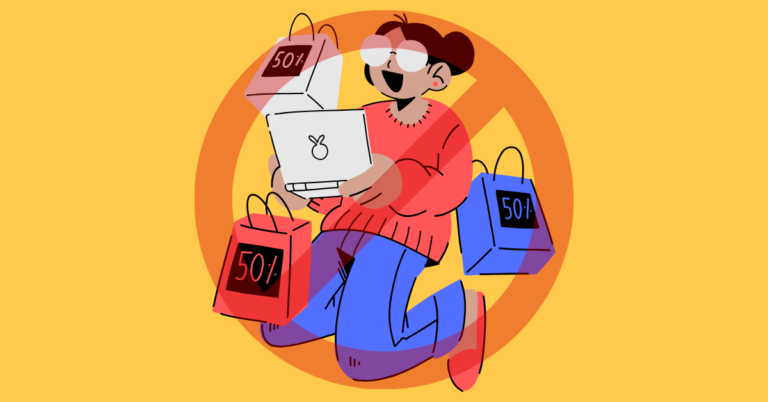
Consumerism ran wild last year, fueled by endless social media scrolls, “must-have” trends, and late-night impulse clicks.
In this blog, I’m sharing my no-buy list for 2026 — the things I won’t buy because they drain money, clutter space, or just end up unused. You might even find a few worth skipping too.
Cute stationery and journals I never finish
There is always a moment in the middle of the year when a really aesthetic planner, pens, or cute journal shows up on TikTok, and all of a sudden it feels like a new notebook will fix attention span, goals, and life structure.
Then the new year happens, the first five pages get filled with ambitious routines and color‑coded lists, and the rest of the notebook spends the year as a coaster while the real to‑do list lives in Notes and Google Calendar.
My friends and boyfriend always gift me journals and planners that were given to them by their companies, which just adds to the stack.
What I do instead: Finish what I already have and use free apps like Notion or Google Keep for the rest.
Clearance items that were never on my list
The sale section can feel like a hobby all on its own, and it’s way too easy to convince yourself that a sixth mug or another random kitchen gadget is a can’t-miss deal.
A discount still costs 100% of the space the item takes up, plus the low-level guilt of realizing you didn’t need it.
What I do instead: If it wasn’t on my list before I saw the sale, I leave it.
Random Sh*t from Amazon
Scrolling Amazon at 1 a.m. is how keychains shaped like cartoon snacks, novelty tech accessories, extra cable organizers, and tiny impulse gadgets sneak into the cart in the name of “organization” or “self‑care.”
It’s the classic list of stuff you really don’t need: decorative odds and ends, random kitchen tools, duplicate chargers, and oddly specific problem‑solvers that get used once and then spend the rest of the year in a junk drawer.
Most of the stuff I bought on Amazon gets broken easily anyway because the quality is not good.
Freebies That Aren’t Actually Free
Those branded tote bags, water bottles, and random merch seem harmless… until you realize you didn’t actually “get” them for free — you basically paid for them with extra shopping.
And I admit it, at some point in my life, I’ve definitely added one more item to my cart just to hit the minimum spend for a “free” tote bag. I know I’m not the only one who’s fallen into that “I’ll just top it up a little” trap.
At that point, it’s not really a freebie — it’s more like a very convincing shopping strategy.
They usually end up being slightly bigger, heavier, or just awkwardly shaped versions of things I already own, taking up prime storage space at home like they pay rent.
Purses, tote bags, keychains, and accessories that duplicate each other
There’s usually a small rotation of two or three bags that actually get used, and then there’s everything else quietly living in the closet. In my case, this pile grows easily because my friends love buying cute stuff, and somehow one always ends up with me.
A new purse here, a fun keychain there, and a tote bag I always forget about the moment I’m standing in the grocery line wishing I brought one. None of it is bad, it just adds up. The cost per wear never really makes sense when the same few pieces handle everyday errands, nights out, and travel just fine.
Stuffed toys and cute decor that just collect dust
It’s easy for plushies and small decor to go from cute to clutter before you even notice. They don’t really add value once the initial serotonin hit wears off, and by the end of the year they’re quietly shoved into storage boxes or donation bags.
But somehow, against all odds and late-night online shopping temptations, I survived without buying that extra Labubu plushie — and honestly, I’m still clapping for myself.
Fast fashion hauls and trend‑only outfits
Buying into every micro‑trend is basically signing up for an overstuffed closet while still feeling like you have nothing to wear.
Pieces that only work for one hyper‑specific aesthetic or a single weekend can end up draining your budget, especially when a small set of comfortable, repeatable outfits does all the heavy lifting.
High‑maintenance fabrics and special‑care clothes
Anything that needs dry cleaning, delicate washing rituals, or constant ironing looks amazing on the rack and annoying in real life. After a few wears, they slide into the “I’ll deal with that later” section of the wardrobe, turning into overpriced products to avoid because low‑effort, machine‑washable pieces get picked nine times out of ten.
Trendy beauty products and “miracle” skincare
Everywhere you scroll, influencers are holding up that “holy grail” serum or under-eye stick like it’s magic in a bottle, promising glass skin by tomorrow.
In reality, it ends up half-used alongside overlapping formulas and products that never get finished.
They look amazing on camera, but at home, most of them prove why buying multiples of the same trendy product is a trap.
Single‑use coffee pods and daily takeaway drinks
Daily coffee runs quietly add up, even when they feel harmless. Single-use pods and disposable cups cost more than making coffee at home with a reusable cup.
Quick disclaimer: I’ll still grab coffee out when it’s about catching up with friends or spending time with loved ones — just not every single day.
New reusable bottles, cups, and containers “for aesthetics”
There’s a specific cupboard in many homes that already proves there is no shortage of water bottles, tumblers, travel mugs, and glass jars, but then the Stanley cup craze hits TikTok, and suddenly everyone needs the latest oversized, color‑dropping version to match their vibe.
Those extra “just in case” pieces and the newest trending tumbler become classic examples of clutter you don’t need, especially when the ones already at home work perfectly but just aren’t as algorithm‑friendly or photogenic for the feed.
Extra storage gadgets to organize stuff I don’t need
Every time clutter builds up, the first impulse in 2025 was often to buy more bins, baskets, drawer organizers, and aesthetic containers. It feels productive in the moment, but long-term they are just things to not buy because they make it easier to store excess instead of questioning why there is that much to organize in the first place.
Kitchen gadgets that solve oddly specific problems
Banana slicers, hyper-niche peelers, single-purpose small appliances, and TikTok-famous gadgets seem fun until counter space disappears.
Many of them become unnecessary things to buy when a knife, a pan, or one solid multi‑use appliance already covers most cooking situations.
Takeaway food and food delivery “by default”
There are nights when food delivery feels like the easiest option, even though the fees, higher menu prices, and tips turn a single meal into an expensive habit.
It’s an easy impulse purchase that quietly competes with groceries, often leaving cold fries, missing items, and that vague feeling that it wasn’t really worth it.
Extra groceries “just to try” that become food waste
Those new snacks and “limited edition” items look way too tempting on the shelf, especially when TikTok is full of trends you feel like you have to try. You grab them thinking they’ll be fun, but half of it ends up in the back of the pantry, opened and untouched, or sauces that only work for one recipe.
Overbuying like this quietly drains your budget, especially when the same handful of meals and ingredients end up on repeat every week anyway.
Cleaning products that promise ten different miracles
Multi-step cleaning systems and specialist sprays for every possible surface make the aisle feel like a beauty section. Most homes manage perfectly well with a handful of basic, versatile products, and the extras mostly just stack up half-used.
Most homes get by just fine with a simple routine and a few basic products, which makes the extras feel unnecessary once the novelty wears off and half-used bottles start stacking up in the cupboard.
New decor and knick‑knacks for every micro‑season
Swapping out pillows, candles, ornaments, and tiny seasonal trinkets every few weeks can feel fun, but it adds up fast. Those items often turn into clutter you do not really need, especially when a few neutral pieces and personal touches can make a home feel cozy year-round without needing a separate storage bin for every holiday.
In our household, we have used the same Christmas lights and wreath for years. I also find the house harder to clean when there are too many decorations everywhere.
Board games and hobbies I don’t actually play
Board games, craft supplies, and hobby gear often seem like a great idea in the moment, especially when they’re on sale or trending. A few favourites actually get used, but most end up sitting unopened or half-finished, giving only a short burst of excitement before blending into background clutter.
And honestly, am I the only one who can’t just jump into a board game without a “quick practice round” first? Otherwise I’m sitting there reading the instructions like it’s an ancient scroll while everyone else is already mid-game, arguing over rules I didn’t even know existed.
Salon extras and beauty appointments by habit
There’s a big difference between a haircut that actually feels necessary and the autopilot cycle of nails, lashes, brows, and other treatments.
Personally, I’ve never really gone for professionally designed nails — just the usual clean and trim — because long nails with intricate designs feel uncomfortable to me, and I’m not keen on paying extra for something I won’t really use or enjoy.
Stuff for pets they immediately ignore
I used to buy plush beds, fancy toys, and cute little outfits for my pets, only for them to completely ignore everything and choose the cardboard box instead. Somehow, the random box, old towel, paper bag, or spot on the floor always wins.
That’s why I’ve learned to mostly stick to the basics for my pets — good food, treats, grooming essentials, and items they actually use regularly. Most of the time, they seem just as happy lounging in random places around the house anyway.
Books that collect dust
I used to buy physical books all the time, thinking I needed shelves full of them, until my boyfriend got me a Kindle. Now, most of my reading lives on one device, and those stacks of paperbacks mostly just gather dust.
If you really enjoy reading physical books but don’t have much money or space, you can always borrow books from the library instead. I’ve also shared some tips on how to save money on books in one of my blog posts.
Gym gimmicks and fitness gadgets
New resistance bands, smart jump ropes, balance tools, and exercise gadgets all look fun in ads but can be confusing in real life.
I even bought a mini stepper and hardly use it because I realized I’d rather walk outside than step in place in a room. These gadgets often end up unused while simple workouts, walking, or bodyweight routines quietly do the job all along.
Extra furniture just to fill space
That empty corner or blank wall can make anyone think they need another bookshelf, side table, or accent chair, especially after scrolling through home tours.
I even bought a chair thinking it would be perfect for reading, but it quickly became the spot where clothes that are neither too dirty nor completely clean pile up — we all have that one chair, right?
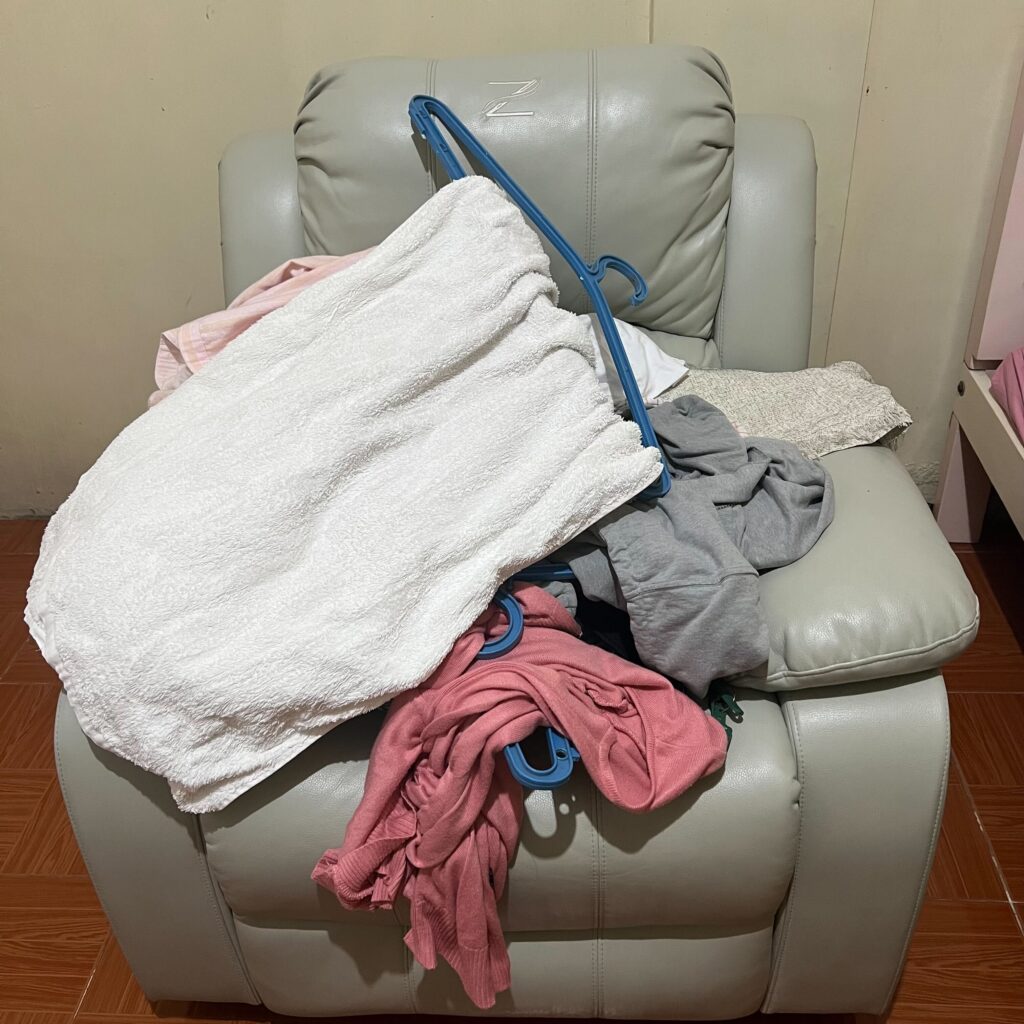
Most homes already have the core pieces they need, making extra furniture something you really don’t need to buy new unless something breaks or truly doesn’t exist yet.
Souvenirs and travel trinkets that don’t age well
Trips often come back with a mix of memories and last-minute purchases: magnets, mugs, T-shirts, and small items that never really get used at home.
For me, I usually only pick up one keychain and two fridge magnets — one for me and one for my boyfriend. Most of the time, I buy snacks instead of material items unless I’ve already tried a product and find it cheaper in the country where it’s produced.
Those few meaningful items, along with photos and notes, do a much better job of preserving the memories than a growing collection that eventually gets decluttered.
Brand‑new gadgets when repairs or second‑hand work
Apple drops a new gadget every year, and your phone or tablet can feel like it missed the memo. Phones, headphones, and other tech can make upgrading feel urgent, even when your current device works just fine with a few quirks.
Fixing what you already have or grabbing a second-hand version keeps your wallet happy and helps you avoid the endless upgrade treadmill until your old device really gives out.
Paid apps, memberships, and forgotten subscriptions
Niche productivity apps, fitness platforms, editing tools, and memberships can pile up in the background. These recurring charges add up over time, and cancelling the ones you haven’t opened in months is an easy way to save money without changing your daily routine.
Extra streaming services and cable bundles
It’s easy to end up subscribing to every streaming platform, like collecting DVDs used to be a thing.
I feel a little guilty paying for both Disney+ and Netflix when 99% of the time I’m just rewatching Gilmore Girls on Netflix.
Paying for multiple services, and sometimes cable on top of that, quietly chips away at your savings while most of us stick to just one or two apps anyway.
Now, I only subscribe to one streaming service at a time. I wait until I finish the series I’m watching before considering another subscription, and only if there’s a movie or show I actually want to watch
A lighter cart for the year ahead
After a year of gadgets, décor, subscriptions, and clearance finds that mostly ended up collecting dust, this list comes down to one question: is this something I actually need, or is something else making me feel like I do?
Trends, limited-time offers, and social media can make almost anything feel urgent, and most of the time it isn’t. The real aim is to spend on things that are genuinely worth it and skip the rest without feeling deprived.
For more simple ways to handle money and set intentions, check out Simple Financial Resolutions.