When I was a teenager, I spent a good amount of my money on affordable skincare because, hello puberty and pimples…
I was trying different products to figure out what worked for my skin.
I also loved going to arcades, so I spent some of my money there too. Looking back, I think both were reasonable things to spend money on because they were things I actually cared about.
As a teenager, you don’t need to choose between spending all your money and saving every dollar. Your money can go towards things you need, things you enjoy, and goals you’re saving up for.
The important part is knowing what you want your money to do for you.
Things to Spend Money On as a Teenager
1. Things You Actually Need
Start with your basic needs and responsibilities.
Depending on your situation, this could include:
- School supplies
- Transportation
- Mobile data
- Personal care
- Clothes and shoes
- Food and snacks
- Sports equipment
- School or activity fees
- Phone repairs or accessories
- Laptop or tablet needs
Your expenses may be different from another teenager’s because every family handles money differently.
For example, replacing a broken phone charger or buying shoes because your old pair is worn out is different from buying another pair just because it is trending on TikTok.
2. Skincare and Personal Care
Taking care of yourself is a good reason to spend some of your money.
When I was a teenager, skincare was one of the things I spent money on because I was dealing with pimples and wanted to take better care of my skin.
You might spend money on:
- Cleanser
- Moisturiser
- Sunscreen
- Pimple patches
- Shampoo and conditioner
- Haircuts
- Makeup
- Lip balm or lip tint
- Basic grooming products
You don’t need a huge collection of products. Buy what you actually use instead of constantly buying new skincare, makeup or beauty products because they are popular online.
3. Your Hobbies and Interests
Your teenage years are a good time to try different things and figure out what you enjoy.
You might spend money on:
- Drawing or painting supplies
- Gaming
- Books
- Photography
- Baking
- Music
- Sports
- Collecting
- Craft supplies
- Content creation accessories
- Editing apps or creative tools
For example, you might buy a phone tripod, ring light or editing app if you enjoy making videos. You could also spend money on game credits, a new game, art supplies or equipment for a hobby.
Your interests may change, and that’s okay. You don’t have to find one hobby and stick with it forever.
4. Fitness and Sports
Spending money on your health and the activities you enjoy is also a good use of your money.
This could mean:
- A gym membership
- Sports equipment
- Swimming
- Dance classes
- Martial arts
- Cycling
- Team sports
- Workout clothes
- A yoga mat or resistance bands
A gym membership can be a good example. If you actually enjoy going and use it regularly, it may be worth paying for. If you go twice and never return, saving the money might make more sense.
You don’t need to pay for an expensive gym membership either. Walking, running, home workouts and outdoor sports can cost very little.
5. Books, Lessons and Learning
Not everything you spend money on needs to be purely for entertainment.
You could spend money on:
- Books
- Music lessons
- Art classes
- Online courses
- Language learning
- Hobby supplies
- Driving lessons
- Learning apps
- Musical instruments
I also want to share a story. I bought a kalimba when I was already in my early 20s, during the pandemic. I loved listening to piano songs and wanted to learn how to play, but buying a piano was too expensive for me.
Then I found out about the kalimba, also known as a thumb piano. It was a much more affordable way for me to start learning an instrument without spending too much money.
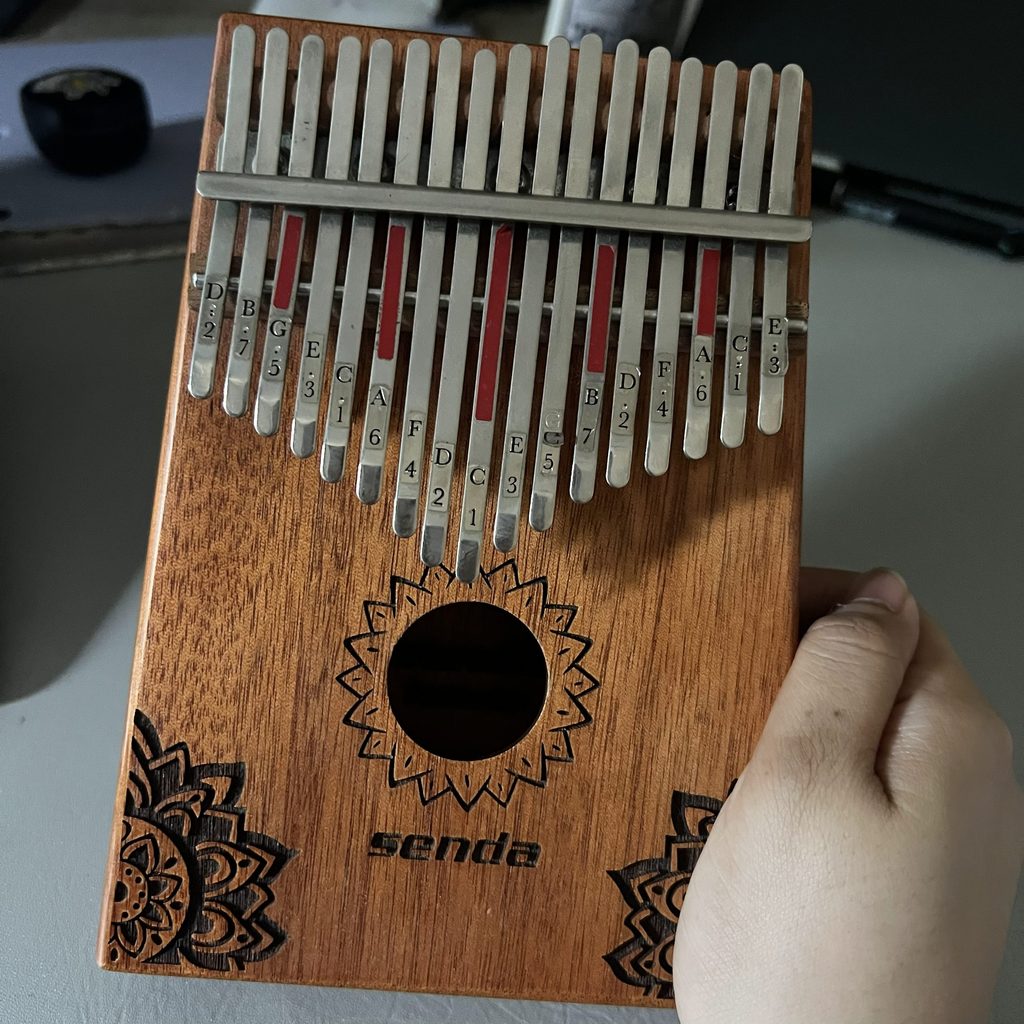
So if you want to learn music but a piano, guitar or other instrument is outside your budget, you might want to look into smaller or more affordable instruments like a kalimba.
The goal isn’t to make every purchase “productive.” It’s simply about spending on things that are useful or genuinely interesting to you.
6. Clothes and Shoes You Actually Want
Clothes are a normal part of teenage spending, especially as you grow and your style changes.
You might want to buy:
- Everyday clothes
- Sneakers
- A hoodie
- A bag
- Jewellery
- Hair accessories
- Clothes for concerts or events
- A school or sports uniform
There’s nothing wrong with buying clothes just because you like them. You just don’t need to buy something every time you see a trend online.
Before buying something, ask yourself whether you will actually wear it.
For example, you might prefer spending $60 on one jacket or pair of shoes you really love and will use often rather than buying several cheaper items that stay in your wardrobe.
7. Fun and Experiences
It’s okay to spend money on fun.
I loved going to arcades, so I was happy to spend some of my money on arcade tokens. I remember playing those arcade games where you put tokens into the machine, play the game, and earn tickets based on how well you do. Once you collected enough tickets, you could exchange them for different prizes. I always enjoyed seeing how many tickets I could collect and what I could get with them.
Maybe you enjoy going to the movies, getting coffee or iced drinks with friends, eating out, or visiting an arcade too. These are all things you can spend money on when you have room in your budget.
You might also want to spend money on:
- Concert tickets
- Music festivals
- Movie tickets
- Café visits
- Matcha or iced drinks
- Bowling
- Escape rooms
- Amusement parks
- Special events
- Activities with friends
These aren’t necessities, but that doesn’t mean they are automatically bad purchases. If you enjoy the experience and can afford it, fun can be part of your spending.
If you’re not sure how much of your money should go towards things like this, you can read my guide on how much you should budget for discretionary spending.
Also read: How to Save Money on Entertainment
8. Technology You Actually Need
Technology can be expensive, so saving first can help.
You might eventually want to buy:
- A phone
- Laptop
- Tablet
- Wireless earbuds
- Power bank
- Phone case
- Portable charger
- Gaming equipment
- Keyboard or mouse
- Accessories for a device
You don’t always need the newest version. If your current phone or laptop still does what you need, you can keep using it while saving for something better.
It can also help to compare prices before buying from online shops. A product may look cheap in a livestream or flash sale, but you should still check whether you actually need it.
9. Driving Lessons
If you’re old enough to start learning to drive where you live, driving lessons can be a useful thing to save for.
I learned how to drive when I was 18, and it became one of the most important skills I learned. I could drive myself wherever I needed to go, not just for commuting, but also for errands, visiting friends and family, going out, or simply escaping the house for a while.
Of course, having a car also means considering:
- Driving lessons
- Licensing costs
- Practice sessions
- Fuel
- Parking
- Maintenance
- Car insurance, where applicable
Driving lessons can be a good larger savings goal because you can put money aside over time instead of trying to pay for everything at once. Just remember, driving yourself anywhere is convenient, but the car will also ask for fuel money every time. Haha.
Things to Save Up for as a Teenager
You don’t have to spend your money as soon as you get it. Some things are more enjoyable when you save for them first.
Things to save up for as a teenager could include:
- A new phone
- Laptop
- Gaming console
- Wireless earbuds
- Concert ticket
- Trip
- Bike
- Musical instrument
- Sports equipment
- Driving lessons
- A special event
- Hobby equipment
- Clothes for an important event
- Gifts
- Classes or training
- A bigger experience with friends
Saving also gives you time to decide whether you really want something.
Need More Ways to Save?
Find money-saving ideas, challenges, and useful tools that can fit different budgets and goals.
See More Saving Ideas →Things to Save Up for as a 12-Year-Old
At 12, your goals might be smaller, such as:
- A game
- Books
- Art supplies
- Sports equipment
- A bike
- Toys or collectibles
- A day out
- A gift for someone
- A hobby you want to try
- Arcade visits
For example, if you want something that costs $40 and save $5 a week, you could reach your goal in eight weeks.
Things to Save Up for as a 13-Year-Old
Things to save up for as a 13 year old could include:
- A concert
- New shoes
- A game or gaming accessory
- Sports equipment
- Hobby supplies
- A phone accessory
- A trip or special outing
- An activity with friends
- A collectible
- A bigger birthday purchase
You can start setting bigger goals as your interests and expenses change.
Things to Save Up for as a 14-Year-Old
Things to save up for as a 14 year-old could include:
- A phone
- Laptop
- Concert ticket
- Trip
- Sports equipment
- Music lessons
- Driving-related costs where applicable
- School events
- A bigger hobby purchase
- Future education or training
The specific goal matters less than getting used to saving towards something you actually want.
How to Decide What to Spend Your Money On
Before making a bigger purchase, ask yourself:
- Do I actually want this?
- Will I use it more than once?
- Do I need it soon?
- Do I already own something similar?
- Would I rather save this money for something else?
- Am I buying it because I like it or because everyone online has it?
- Can I afford it without using money I need for something else?
You don’t need to ask yourself these questions every time you buy a snack. They’re more useful for bigger purchases or things you’re unsure about.
Want to Get Better at Budgeting?
Check out simple budgeting guides and calculators to help you plan your money and reach your savings goals.
Explore Budgeting Guides →It’s Okay to Spend Money on Fun
Saving is important, but you don’t need to save every dollar.
For example, if you receive $50, you might decide to save some, spend some on something you want, and keep some for later.
There isn’t one perfect percentage that every teenager should follow. Your income, family situation and expenses all matter.
The important part is learning how to balance spending and saving.
You can also read my guide on why budgeting is important and what happens if you skip it.
Things You May Want to Think Twice About
Some purchases are worth pausing before you make them:
- Things you only want because they’re trending
- Clothes you probably won’t wear
- Food delivery when you already have food at home
- Subscriptions you barely use
- Buying duplicates of things you already own
- Small online purchases that keep adding up
- In-game purchases
- Digital gifts or livestream purchases
- Buying something just because it’s on sale
- Products promoted by influencers that you didn’t want before
A discount doesn’t save you money if you wouldn’t have bought the item otherwise.
A Simple Way to Balance Spending and Saving
You don’t need a complicated system.
When you get money, think about three things:
Money you need: things you are responsible for buying.
Money you want to spend: hobbies, friends, clothes, games, food, arcades or other fun.
Money you want to save: bigger purchases and future goals.
How much goes into each category depends on your situation.
If you want help creating a simple plan, you can read my guide to budgeting for teens.