
Winter is here, and so is the season of frosty toes and shivering mornings. Your energy bill can feel like it is trying to give you the chills too. Luckily, staying warm doesn’t have to mean spending a fortune.
With a few simple and clever tips, you can keep your home cozy and your wallet happy. Follow these easy steps to outsmart the cold and enjoy a warm, comfortable winter.
Tweak thermostat settings to save energy
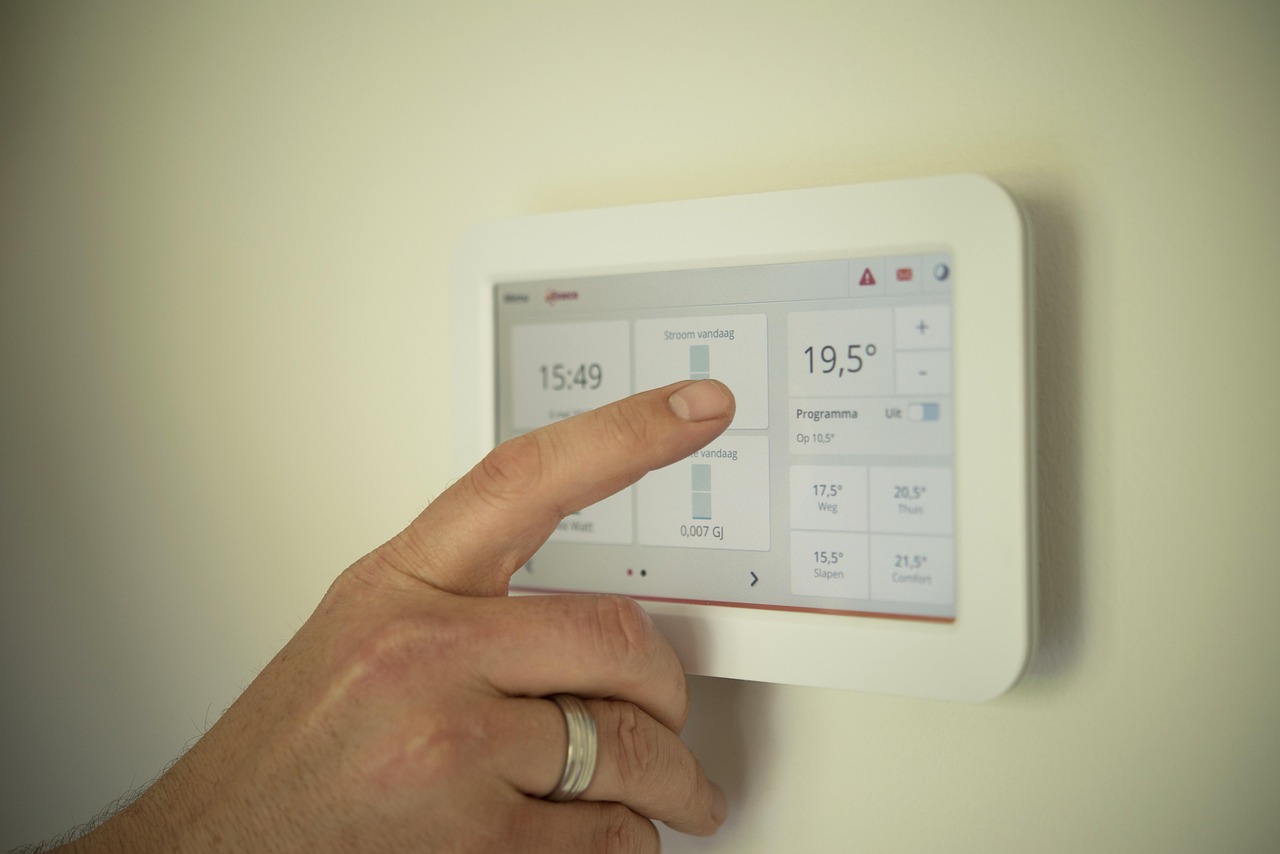
If you only change one thing, start with your thermostat. Heating is usually the biggest part of your winter bill, so even tiny shifts here echo through the whole month.
A common sweet spot is around 68°F (20°C.) when you are home and awake, and then 7 to 10°F (14°C to 16°C) lower while you are sleeping or out for at least 8 hours, which can reduce heating use by roughly 10% over a season.
You do not have to live in a parka indoors; you just let clothes and blankets do a bit more of the work instead of expecting your furnace to carry everything.
Seal drafts on windows and doors
If you feel a breeze near a closed window or under a door, you might as well be paying to heat the street. When you seal drafts on windows and doors with weatherstripping, door sweeps, and budget plastic film kits, you cut down on heat sneaking out and cold air leaking in.
Energy experts point out that basic air sealing plus insulation can reduce heating and cooling costs by around 15%, which is a big number for tape, foam, and a hair dryer-level effort. As a renter, this is perfect because almost all of it is removable.
Use programmable thermostats for quiet savings
Manually remembering to nudge the thermostat up and down sounds easy until you get busy and forget for a week. That is where a programmable or smart thermostat becomes less of a gadget and more of an autopilot button. Set a schedule once, and it lowers the heat at night or while you are gone, then warms things back up before you wake or get home.
Many programs and studies estimate that consistent use can save about 8 to 10% on yearly heating and cooling costs, which does not feel dramatic day to day but shows up across a whole winter.
Keep your furnace clean and breathing
Energy-efficient furnace maintenance is not glamorous, but dirty filters and dusted-over parts force your system to run longer and harder for the same temperature. Swapping filters on schedule and getting a quick annual checkup keeps airflow strong and efficiency close to what the system was actually built for.
Typical estimates say poor maintenance can drag efficiency down by up to 15%, so this is basically the “oil change” of home heating. If gas vs electric heating bills already feel high for you, the last thing you want is a furnace wasting effort.
Insulate attic and pipes where you can
Heat loves to escape upward, so a poorly insulated attic is like leaving a window cracked all winter. Boosting attic insulation to recommended levels is one of the most effective home insulation upgrades you can do, and it hits both comfort and cost in a noticeable way.
In fact, research shows proper insulation can reduce heating energy use by around 45% in measured cases, stabilizing at 50%-55% over time.
If you cannot touch the attic because you rent, you can still insulate pipes under sinks or in basements to keep hot water hotter for longer, which means the water heater does not have to fire up as often.
Make hot water a little less of a luxury
In winter, long hot showers feel like therapy, but your water heater quietly sees that as overtime. Turning the tank temperature down from 140°F (60°C) to about 120°F (49°C), taking slightly shorter showers, washing laundry in cold, and only running full dishwasher loads can cut water heating energy by 4% to 22%, depending on your starting point.
You still come out clean and warm, just without that extra five minutes of “I’m just standing here because it feels nice” every time.
Try zone heating and space heaters with a plan
Zone heating with space heaters works best when you think about how you actually use your home. If you only hang out in the living room and bedroom in the evenings, it makes more sense to keep the main thermostat a bit lower and use a safe, efficient space heater in those specific rooms rather than heating unused areas.
This approach tends to make more sense if your main system is electric and expensive per unit, while with efficient gas systems you often get better results by focusing on sealing and insulation instead of adding a bunch of extra heaters.
Flip ceiling fans to winter mode
Ceiling fans usually scream “summer,” but they quietly help in winter too. Most have a reverse or winter mode that pushes warm air down from the ceiling, which evens out the temperature in the room.
Run them on low so you do not feel a breeze, you just stop wasting that bubble of warm air sitting above your head. When the air is more evenly mixed, you can keep thermostat settings slightly lower and still feel just as comfortable.
Use curtains like insulation you already own
Curtains are not just for privacy, they work like sweaters for your windows. During the day, especially if the sun hits your glass, you open blinds and curtains to let solar heat in, then once it gets dark, you close them to slow heat loss through the glass.
Combine that with sealing drafts, and your windows stop acting like giant cold spots that drag the whole room down. Thick or thermal curtains amplify the effect, but even regular ones help.
Swap in LED bulbs for winter lighting
Shorter days mean lights turn on earlier, which makes your lighting choices matter more. LED bulbs use at least 75% less energy and last many times longer than old school incandescent, so every lamp you switch over quietly trims your bill.
This is an easy checkbox item for your winter energy audit checklist because you usually change nothing about how you live, you just install bulbs you forget about for years.
Unplug energy vampires and batch your chores
Electronics that sit in standby, like TVs, consoles, speakers, microwaves, and chargers, draw a small but constant “vampire” load, which is extra annoying in winter when you are already paying more for heat.
Plugging clusters of devices into power strips and flipping them fully off when not in use keeps those trickles from piling up. It pairs nicely with running full loads in your washer and dishwasher instead of lots of tiny cycles; the energy per item drops when you fill the machine.
Ask your utility about audits and rebates
One of the most underrated winter heating tips is simply calling your utility and asking what they offer. Many have a winter energy audit checklist or full home energy audits that point out where you are losing heat, plus rebates for things like smart thermostats, insulation, and LED lighting.
Sometimes they even hand you free bulbs or devices during the visit. Instead of guessing which upgrade matters most, you get a targeted list based on your specific place.
When you zoom out, all of this is really about controlling the big pieces first and letting the smaller habits stack on top. Heating, hot water, and drafts carry the biggest weight, so thermostat tweaks, sealing gaps, keeping your system tuned, and basic insulation changes land the biggest blows against winter bills.
Then you layer in LEDs, better use of fans and curtains, and cutting phantom power for that extra edge. You still get the cozy winter vibe, just without the jump scare when your bill arrives.
Want to cut your energy costs even further? Check out these tips to reduce electricity bills.