Last updated on June 21st, 2026 at 11:07 am
I was hesitant about credit cards for a long time — they always felt like a trap waiting to happen. But after building a system around it, my perspective shifted.
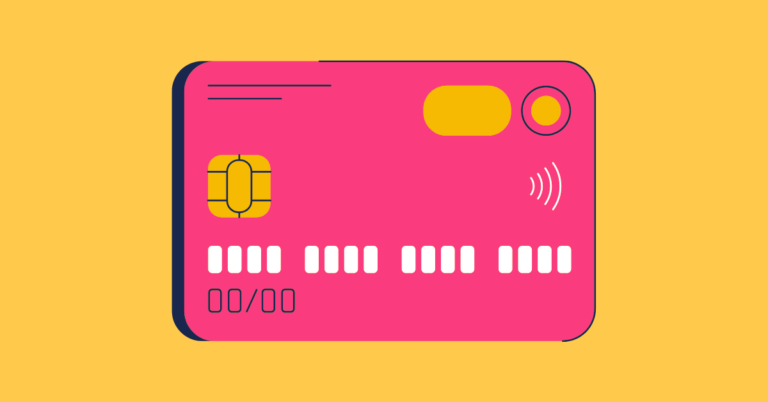
Used with a clear plan, a credit card keeps all your transactions in one place, and most issuer apps attempt to sort them into spending categories. Some cards earn rewards on everyday purchases too. The card is just a tool though — having a plan is what makes it work.
Here’s how to build that plan.
Why Swiping a Card Feels Like Free Money (It’s Not)
Behavioral economists call it the “pain of paying” — the discomfort you feel when handing over money. It’s strongest with cash. Tapping a card? It barely registers, which is why it’s easy to overspend without even noticing.
A few small habits that help:
- Turn on transaction notifications — that little ping after every purchase is a quick reality check
- Check your transactions weekly — takes 5 minutes, saves you from bill shock at month-end
- Say the category out loud when you buy something — “That’s from this week’s dining budget.” Sounds odd. Works surprisingly well.
Can You Actually Budget With a Credit Card?
Yes — but only if you already have a system in place. The card itself won’t do the budgeting for you. What it does give you is a cleaner paper trail than cash or debit.
| Payment Method | Spending Record | Transaction History | Rewards | Fraud Protection |
|---|---|---|---|---|
| Cash | None | None | None | None |
| Debit Card | Basic | Yes | Rare | Varies |
| Credit Card | Detailed | Yes | Depends on card | Generally strong |
mysparechangestories.com
Cash disappears the moment you spend it — no record, nothing to review. Credit cards log every transaction with the merchant name, amount, and date, which makes it easier to look back and see where your money actually went.
Many card issuers also have apps that attempt to group your transactions into spending categories — groceries, dining, transport, and so on. It’s a useful starting point, but the accuracy varies. A supermarket might be tagged correctly; a meal delivery app might show up under “Shopping.” You’ll likely still need to manually review and fix some of it.
If your card has a rewards program, that’s a genuine perk — but it varies widely by card and issuer. Paired with a solid budgeting strategy, any cash back or points you earn on regular purchases is a bonus on top of an already-working plan.
Treat Your Credit Card Like a Debit Card
That’s it. That’s the rule.
Before anything else: spend only what you already have in your bank account.
Not what you expect to earn. Not what’s available on your credit limit. What’s actually in your account right now.
💡 Your credit limit is not your budget. It’s a ceiling the bank set based on your creditworthiness — it has nothing to do with what you can actually afford this month.
Cash disappears the moment you spend it — no record, nothing to review. Credit cards log every transaction with the merchant name, amount, and date, which makes it easier to look back and see where your money actually went.
Many card issuers also have apps that attempt to group your transactions into spending categories — groceries, dining, transport, and so on. It’s a useful starting point, but the accuracy varies. A supermarket might be tagged correctly; a meal delivery app might show up under “Shopping.” You’ll likely still need to manually review and fix some of it.
If your card has a rewards program, that’s a genuine perk — but it varies widely by card and issuer. Paired with a solid budgeting strategy, any cash back or points you earn on regular purchases is a bonus on top of an already-working plan.
Why Your Credit Card Balance Is Lying to You
Say you check your card app mid-month and see a lower balance than expected. You feel fine. Then the bill arrives, and it’s higher than you remembered. Sound familiar?
Here’s why it happens: your statement doesn’t close at the end of the calendar month — it closes on a fixed date that depends on your card, like the 3rd or the 21st. Anything you spend after that date won’t show up until next month’s bill.
The fix: the moment you tap your card, mentally treat that money as already gone from your bank account. Don’t wait for the bill.
And two numbers worth knowing:
- Statement balance = what you owed when your last bill was generated — pay this in full by the due date
- Current balance = your total balance right now, including new charges made after the last bill closed
How to Manage Spending With a Credit Card Day-to-Day
Once you have a method, day-to-day management is about staying aware without it becoming a second job.
- Turn on spending notifications. Set alerts for every transaction, or at least when you hit a balance threshold. It sounds small, but seeing a notification right after a purchase is one of the easiest ways to stay conscious of where your money’s going. Turning on transaction notifications felt excessive at first. Now I can’t imagine budgeting without it.
- Review your transactions weekly, not just at month-end. A quick 5-minute scroll through your credit card statement as a budget tool beats scrambling at the end of the month when the damage is already done.
- Auto-pay recurring bills through your card. Subscriptions, utilities, phone bills — anything predictable. You earn rewards on fixed costs and keep those charges in one place. Just make sure they fit your monthly budget before setting them up.
- Use card lock if you’re close to your limit. Most apps let you freeze your card in one tap. Honestly, I find it a bit of a hassle — you have to unfreeze it every time you actually need the card. But that’s kind of the point. That small inconvenience is just enough to make you pause and ask if the purchase is actually worth it.
💡 If you’re looking to understand budgeting better, take a look at our guides and tools for managing your money.
Explore Budgeting Calculators & GuidesHow to Budget With Multiple Credit Cards
Having multiple credit cards doesn’t have to be complicated — as long as each card has a clear purpose.
Example card assignment setup:
| Card | Category | Why |
|---|---|---|
| Card A | Groceries + fuel + transport | Highest daily-use categories in one place |
| Card B | Dining + travel | Likely earns bonus rewards in these categories |
| Card C | Online subscriptions | Easy to isolate and audit monthly |
mysparechangestories.com
This way, each statement becomes a category report. No more hunting through one giant statement trying to remember if that charge was groceries or takeaway.
A couple of things to watch:
- Credit utilization ratio — the percentage of your total available credit you’re using across all cards — affects your credit score. Keep it below 30% total, though lower is always better.
- Authorized user spending limits — if anyone else is on your cards, set spending limits where your issuer allows it so their charges don’t quietly blow your budget.
Don’t Let Rewards Trick You Into Overspending
Your card gives 3x points on dining. So you eat out more than planned — telling yourself you’re “earning points.” The rewards feel like they justify the extra spending. They don’t.
Example: Your dining budget is $150. You spend $300 chasing points. You earned maybe $4.50 in cash back. You’re still $150 over budget.
Rewards are a bonus on top of your plan — not a reason to change it. Spend based on your budget first, and let whatever rewards come naturally.
What to Do When You Overspend in a Month
It’ll happen. An unexpected expense, a misjudged category, a sale that was genuinely too good. Overspending doesn’t mean the system failed — it just means you’ve got data to work with.
Recovery steps:
- Don’t carry the balance if you can help it. Even one month of interest charges erases whatever rewards you earned. Prioritize clearing the full balance with your next income before anything else.
- Rebalance the next month. Overspent on dining by $80? Reduce that category by $80 next month. It’s a correction, not a punishment — like adjusting the steering wheel rather than pulling over.
- One month of carrying a balance is a blip. A pattern is a signal. If it keeps happening, the category allocations are probably unrealistic and need adjusting.
Budgeting With a Credit Card on Irregular Income
If you freelance, do gig work, or earn on commission, your income probably looks different every month. A fixed monthly budget doesn’t really work when your paycheck isn’t fixed either.
A simple approach that helps:
- Find your floor — what’s the least you’ve earned in a bad month? Budget around that number, not your average. That way a slow month never catches you off guard.
- Treat extra income as overflow — anything above your floor goes to a buffer fund first, then savings. Don’t lifestyle-inflate just because one month was good.
- Don’t spend money you haven’t earned yet — just because the bill isn’t due for a few weeks doesn’t mean you can afford it. If the income isn’t confirmed, don’t count on it to cover the balance.
If this is your situation, this guide on budgeting with irregular income goes deeper into building a system around unpredictable paychecks.
Budgeting Apps That Sync With Credit Cards
| App | Best For | Works Outside the US? |
|---|---|---|
| YNAB | Zero-based budgeting, tight category control | Yes |
| Copilot | Daily monitoring, clean automatic categorization | iOS only |
| Money Manager / Wallet | Multi-currency, multiple cards | Yes |
| Your card issuer’s app | Spending breakdowns, custom reports | Usually |
mysparechangestories.com
Honestly, even a basic spreadsheet where you manually log charges works — and the manual entry keeps you more aware than any app’s autopilot. The best app is whichever one you’ll actually open more than once a month.
It Gets Easier After the First Month
The first billing cycle is the hardest. You’re building new habits — checking the app, comparing spending to your plan, paying the balance in full when the due date arrives. By month three, most of it runs on autopilot.
What separates people who make it work from those who drift back to spending blindly: they review their spending at least once a week, they treat the monthly statement as a routine check-in rather than a surprise, and they don’t wait for a crisis to look at the numbers.
A credit card won’t fix a broken budget on its own. But with a plan already in place, it makes that plan easier to track, optimize, and actually stick to. The card was never the problem. The missing system was — and now you have one.