Last updated on July 23rd, 2026 at 06:54 am
It started at the grocery store.
I was reaching for my usual items, the ones I’ve been buying for years without thinking, when I stopped. The price of something I grab every week had sneakily gone up again. Not by much, just enough to notice and do the mental math while standing in the aisle.
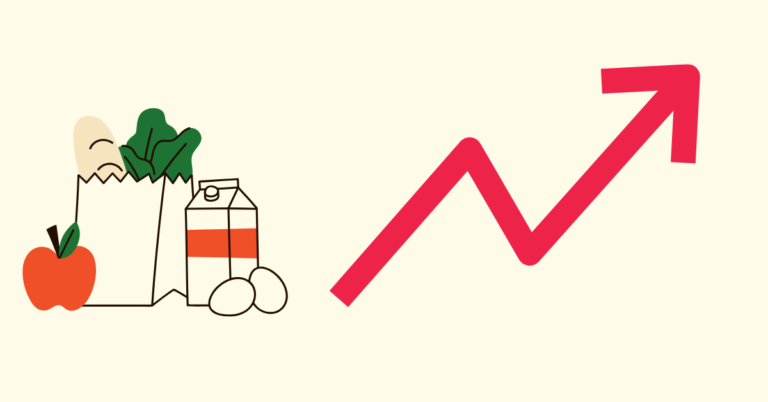
That’s when it hit me. This is not a one-time thing. Everything I regularly buy costs more than it did a year ago, but my budget has not kept up.
If you have had that same moment in the grocery aisle, doing math you did not plan for, you are in the right place. Budgeting for inflation does not mean cutting out everything you enjoy. It means adjusting how your money moves so it stretches further even when prices keep rising.
The good news is there is a lot you can do about it. Not in a cut everything and suffer way, but in a realistic and sustainable way that keeps your money working even when prices do not slow down.
1. Know What You’re Actually Spending Before You Change Anything
Before you cancel everything in a panic, take a breath and look at your numbers first.
Pull up your last 30 days of transactions and group them into categories. Groceries. Subscriptions. Dining out. “I don’t even remember buying that.” You’ll find things that surprise you — and probably a subscription you forgot existed that’s been quietly billing you for eight months.
This is where lifestyle creep shows up. It’s just the slow drift of spending more without really deciding to. Check out this breakdown of common household expenses to see how your numbers compare.
2. Separate Your Fixed Expenses from Your Variable Ones
Not all expenses behave the same when prices rise, and knowing the difference saves you a lot of frustration.
Fixed expenses — rent, mortgage, car loan — stay the same each month. They’re annoying, but at least they’re predictable. Variable expenses — groceries, gas, utilities — are where inflation actually lands. That’s also where you have the most room to move.
| Expense Type | Examples | Inflation Impact | Your Control |
|---|---|---|---|
| Fixed | Rent, mortgage, car loan, insurance | Usually stable short-term | Low (refinancing or rate shopping helps) |
| Variable | Groceries, gas, utilities, dining out | Feels inflation the fastest | High — most flexibility here |
| Discretionary | Travel, subscriptions, hobbies, clothes | You set the pace | Very high — first place to trim |
3. Pick a Budgeting Method You’ll Actually Use
The best budgeting system is the one you won’t quit after four days.
The 50/30/20 rule splits your income into needs, wants, and savings. It’s simple, flexible, and easy to stick with. If you want to compare different methods, check out these budgeting strategies.
Zero-based budgeting gives every dollar a job before the month starts. It takes more effort, but it can help if your money seems to disappear without explanation.
Both can work. The key is choosing a system you’ll actually use consistently.
💡 If you’re looking to understand budgeting better, take a look at our guides and tools for managing your money.
Explore Budgeting Calculators & Guides4. Get Serious About Groceries (This Is Where It Hurts Most)
Food inflation has been rough. The same cart, the same store, noticeably more money. Nobody panic-bought smoked salmon — prices just went up on everything.
The practical fix most people land on: store brands, more cooking at home, and actually checking what’s already in the fridge before buying more of it.
Meal planning sounds like something a very organized person does. It also saves a surprising amount of money. Building a weekly menu before you shop means fewer impulse buys.
- Buy non-perishables in bulk when they’re on sale — pasta, rice, canned goods, and toilet paper don’t go bad and the unit savings add up.
- Store-brand versions of most pantry staples taste basically the same. The difference is mostly the label. In our household, we recently switched to store-brand cooking oil and genuinely cannot tell the difference.
- Skip the delivery fee when you can — that convenience charge adds 15–25% to your total without you even noticing.
- For nights you do eat out, this guide on how much to budget for eating out keeps it planned rather than accidental.
5. Trim Discretionary Spending — Strategically, Not All at Once
Cutting everything at once is how budgets fail. You feel deprived, you resent the whole thing, and by week three you’ve ordered takeout twice and bought a jacket “on sale.”
A better approach: look at what you’re paying for out of habit versus what you actually enjoy.
Streaming services are the obvious place to start. Most households pay for several and actively use two. Rotating between them instead of running all of them simultaneously is an easy win with zero sacrifice.
- Cancel anything you haven’t used in the past 30 days. If you didn’t notice it was there, you won’t miss it.
- Call your phone or internet provider and ask about current promotions. Retention deals exist. They just don’t advertise them.
- Make treat spending intentional. One good dinner out each month feels like a real treat. Four mediocre takeout nights feel like nothing, except when you see them on your statement. I know a few friends who only eat out when we go out together.
6. Cut Your Gas and Utility Bills
Gas prices are the most visible part of a cost of living increase because you literally watch the number climb while standing in the cold holding a pump handle. Comparing prices at nearby stations, keeping your tires inflated, and batching errands into fewer trips all add up across a month. For more specific strategies, this guide on how to save money on gas is worth a read.
Utilities respond well to small habit shifts. Nudging your thermostat by a degree, washing clothes in cold water, unplugging things you’re not using — none of it feels dramatic, but together they consistently trim 5–10% off a monthly bill. If you want to go deeper, you can read my guide on how to reduce your electricity bill.
Some energy providers also offer budget billing, which spreads your annual usage into a flat monthly payment so you’re not blindsided by a summer or winter electricity bill spike.
7. Protect Your Emergency Fund
An emergency fund is what stands between a bad week and a genuinely bad financial situation. Car needs repairs? Medical bill shows up? Emergency fund handles it without touching your regular budget.
During inflation, that cushion matters even more — because unexpected costs are now landing in a budget that’s already stretched.
If yours has shrunk, the goal right now doesn’t have to be aggressively rebuilding it. Just stop it from getting smaller. Even one month of essential expenses saved is meaningfully better than nothing.
A high-yield savings account is worth considering if you haven’t already. Interest rates on them have improved enough that your emergency fund can at least partially keep up with inflation while it sits there.
💡 Not sure how much to save? Use the calculator to estimate your emergency fund based on your monthly expenses.
Try the Emergency Fund Calculator8. Don’t Let Your Income Stay Flat While Prices Rise
Prices go up. If your income doesn’t, you’re falling behind — even if your paycheck looks the same as last year.
It doesn’t have to mean a dramatic career move. Sometimes it’s as simple as asking your employer for a raise, picking up a freelance project, or turning a skill you already have into a little extra income on the side.
Even a few hundred extra a month changes the math when your budget is already stretched.
9. Review Your Budget Every Month — Prices Don’t Stand Still
A budget you set in January is probably already a little off by March. Grocery prices shift, a subscription renews higher without warning, and expenses you didn’t plan for just show up. I learned this the hard way when our electricity bill arrived mid-summer — double what I’d budgeted, just from running the AC every day to survive the heat. I hadn’t touched my numbers in months and it showed.
A monthly check-in fixes this — not a full rebuild, just 20 minutes comparing what you planned versus what you actually spent. That’s usually enough to catch the drift before it becomes a real problem.
10. Think About the Bigger Levers Too
Once the obvious stuff is sorted, it’s worth looking at the larger expenses. Housing is the biggest cost for most people, and while you can’t always move quickly on it, questions like refinancing, renting out a room, or reassessing your living situation when a lease is up are worth considering.
Travel doesn’t have to disappear. It just needs to be more intentional. Booking early, staying flexible with dates, and choosing destinations based on value rather than what’s trending right now can keep it enjoyable without blowing the budget. This guide on how to travel on a budget has practical ideas.
An inflation-proof budget isn’t about spending less on everything. It’s about spending smarter on what matters and catching the small leaks on the things that don’t.
Your Budget Doesn’t Have to Be Perfect
Nobody builds a flawless inflation budget on the first try. Prices change, habits drift, and life has a way of ignoring whatever spreadsheet you set up last Tuesday.
What actually works is staying aware, checking in regularly, and making small adjustments before they become big problems. Start with one or two changes this week. The rest follows.