
Quitting eating out completely NEVER worked for me.
Social meals, coffee dates, and tired‑night takeout are part of my life, and trying to cut them out just made me crave them more. Restaurant spending was one of the first things I had to control when I started tracking my money seriously. Some of the tips here come from my own experiments, mistakes, and the habits that actually stuck when I needed to save without feeling deprived.
You don’t have to stop eating out to fix this. You just need a few repeatable habits that keep the experience but trim the total.
Plan your dining budget before you go
I used to treat “eating out” as a vague category that included coffee, snacks, takeout, and full dinners. When I finally opened my bank app and added up three months of restaurant and delivery charges, the number was uncomfortable. That became my starting point.
Create a separate line in your budget just for eating out, different from groceries and bills. This makes it easier to see when you’re close to your limit and helps you decide if that extra takeout order fits your plan. If you’re unsure what a reasonable amount is, you can start with a target and adjust as you track your actual spending.
For more guidance on setting this number, you might find it useful to read about how much you should budget for eating out and how that fits into your overall discretionary spending budget.
Review the menu and deals before you leave home
There was a phase where I’d show up at a restaurant hungry and tired, then order whatever looked good in the moment. That’s how I ended up with an expensive entree, a drink, and dessert, even though I originally planned to spend $15.
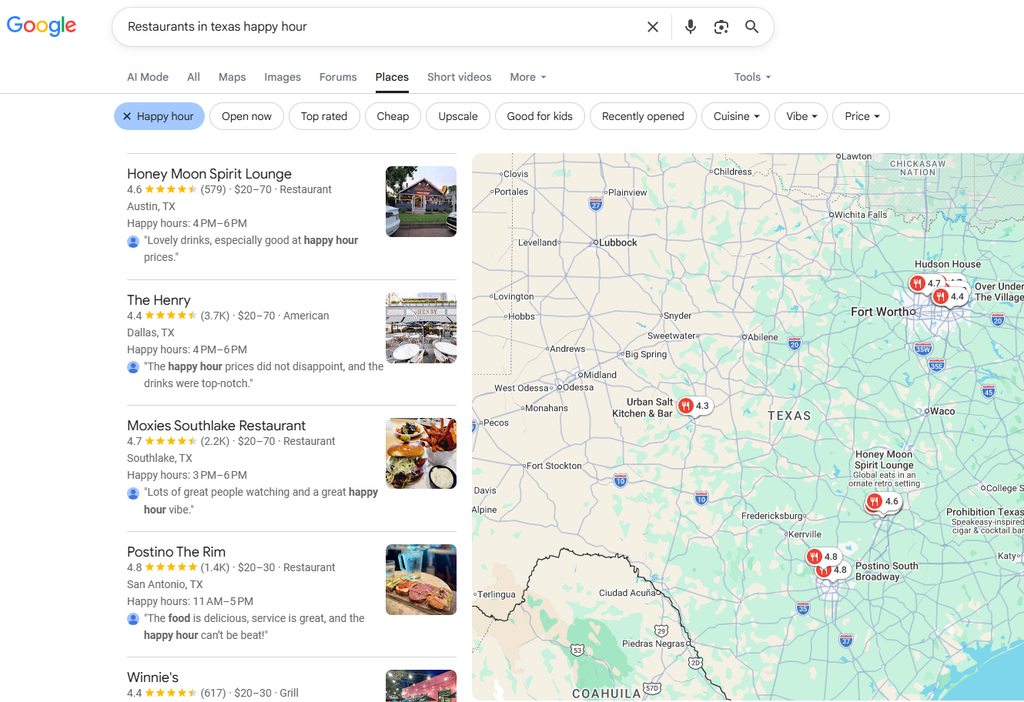
Checking the menu online before you head out prevents surprise prices and helps you decide what you’ll actually order. Many restaurants post their full menu with prices on their website, Google listing, or food delivery apps. You can also look for lunch specials, happy hour menus, or weekday promotions that aren’t obvious once you’re seated.
Also, can we appreciate those reviewers who leave reviews with the picture of the menu on it? They are one of the unsung heroes.
Use Google Maps filters to find places with a “$” or “$$” price level and good ratings.
This quickly narrows your options to spots that match your budget without scrolling through endless lists. When you already know what you might order, it’s easier to skip impulse additions at the table.
Use loyalty apps, coupons, and discounted gift cards
You don’t need a phone full of restaurant apps to benefit from loyalty programs. Focusing on the few places you visit often is enough to catch free items, bonus points, and member‑only discounts that regular diners miss.
- Loyalty apps: Most chain rewards apps return about 1–5% of spending, while stronger fast‑food and casual programs can reach 10–15% back in free items over time. Some dining cashback apps hit around 20% back at participating restaurants.
- Coupons: Check the restaurant’s website, app, or social media for offers. Third‑party sites sometimes list codes for specific chains or delivery. Typical discounts run around 10–20%.
- Discounted gift cards: Warehouse clubs and online marketplaces sometimes sell $100 in restaurant credit for $80–$95, a 5–20% discount. Using these for regular visits lowers your effective bill.
- Credit card rewards: Cards with dining bonuses stack with these deals. Just pay the balance in full so interest doesn’t cancel out the rewards.
One of my go-to coffee shops has this loyalty card where I can collect stamps and get a free drink once I’ve collected 10 stamps in total.
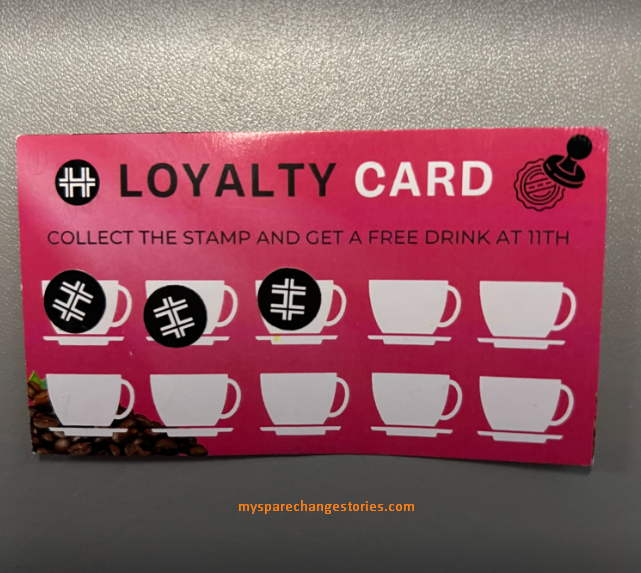
This is also great when you’re with a group of friends because you can fill up the card pretty quickly. And voilà, you have a free coffee!
Eat out on weekdays, especially during lunch and happy hour
I know it’s not easy to plan weekday meals with friends when everyone has a 9-to-5 job. Most of my group catch-ups still happen on weekends because that’s when everyone is free.
But since I have a more flexible work schedule, I’ve started eating out by myself on weekdays when I can.
When I finish work early or have a lighter schedule, I might head to a restaurant for lunch or an early dinner. These meals often cost less, and I get to enjoy my food without the usual weekend crowds. The food is the same, but the bill feels lighter. Win-win!
Timing changes the total more than people expect. Lunch menus at casual and fast‑casual restaurants often cost less than dinner for similar portions. Early bird specials, weekday promotions, and happy hour food deals can cut prices by a noticeable margin without changing the experience.
Weekend dinners tend to be pricier and busier. Shifting your own solo or one‑on‑one meals to a weekday evening or weekend lunch can lower the total and make it easier to find a table. Some restaurants run specific deals on slower days like Monday or Tuesday to attract guests.
If your schedule allows, aim for weekday lunches or happy hour windows when many places offer discounted appetizers, entrees, and drinks. This is one of the most reliable ways to enjoy the same restaurants at a lower cost.
Take advantage of military, veteran, and other special discounts
If you or someone in your family serves in the military or is a veteran, asking about military discounts can lower your bill at many chains and local spots. Some restaurants offer a percentage off your total or special menu pricing on certain days. It’s worth checking their website or asking your server before you pay.
Student, senior, teacher, or first responder discounts may also be available in some places. These aren’t advertised everywhere, yet a simple question at the counter can reveal savings you didn’t know existed.
Use birthday deals and freebies strategically
I’ve lost count of how many free desserts, drinks, and even entrees I’ve received just by signing up for restaurant apps and adding my birthday.
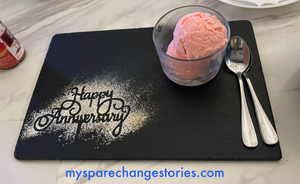
Another tip: If you’re celebrating a special occasion with your loved ones, make sure to mention it to the waiter. Sometimes, restaurants give out free desserts like ice cream or cake!
For example, during my boyfriend’s and my anniversary, the waiter asked us what we were celebrating. When I mentioned that it was our anniversary, he shortly came back with a free ice cream dessert for us!
Some chains send you a free item during your birthday month, while others give you a specific birthday reward that you can redeem with a minimum purchase.
Others offer a free meal for the birthday celebrant if you meet a minimum number of diners. These offers are usually available at buffet restaurants.
It’s worth checking your favorite restaurants’ birthday promos. You might be surprised by how much you can save just by celebrating your birthday!
Order water instead of paid drinks
This was one of the easiest changes I made. I used to order iced tea or soda without thinking, then wonder why my $12 meal turned into $18. Once I switched to water most of the time, my average bill dropped without changing what I ate.
Drinks are one of the fastest ways for a bill to grow. Soft drinks, bottled water, iced teas, and alcoholic beverages can add $3–$5 each, and that multiplies quickly for a table. Ordering tap water keeps your total lower and still leaves room for a meal you enjoy.
If you want something with flavor, look for places with free refills on non‑alcoholic drinks or consider a BYOB restaurant where you can bring your own wine or beer within local laws. Skipping alcohol on regular weeknight meals and saving it for special occasions is a simple way to reduce your average bill.
Skip appetizers and extra add‑ons
Appetizers, extra sides, and add‑ons like cheese, guacamole, or premium toppings can add $7–$15 or more to your order. These items often have high markups compared to main dishes. Eating a small snack before you go or filling up on complimentary bread or salad can reduce the urge to start with extras.
When you do want something shared, ordering one appetizer for the table instead of per person keeps the cost down. You still get the taste without paying for multiple plates that might not get finished.
Share entrees, order smaller portions, or use kids’ menus
Portions at many restaurants are large enough for two people. Splitting an entree with a friend or partner cuts the bill almost in half and often leaves enough for leftovers. If splitting isn’t allowed or feels awkward, ordering an appetizer or side as your main dish can work as a smaller, cheaper plate.
Kids’ portions or junior menus can serve as a full meal for adults at a lower price, especially at casual chains. Pairing a smaller main with a side salad or vegetable keeps the meal balanced without paying for a large entree.
When choosing dishes, grilled or baked proteins with vegetables tend to be healthier and sometimes cheaper than deep‑fried options. This works well if you want to save money and still eat in a way that supports your energy and health goals.
Box half your meal right away
Ask for a to‑go container as soon as your food arrives, then put half on the plate and half in the box before you start eating. That simple move turns one dinner into dinner plus lunch, which reduced my need for takeout the next day.
Putting half of your plate into a to‑go container as soon as it arrives turns one restaurant meal into two. You enjoy your dinner and have a ready‑made lunch for the next day, which can prevent another takeout order. This habit also makes it easier to stick to your grocery budget since you rely less on extra meals during the week.
If you’re worried about food safety, ask for a chilled container, bring your own Tupperware, or get the meal boxed quickly so it doesn’t sit at room temperature for long. Most foods keep well overnight in a fridge and reheat easily.
Use takeout and pickup instead of delivery
Delivery orders usually include service fees, platform fees, and higher menu prices, which can add $10–$20 or more to a single order. Picking up your food yourself removes most of those extra charges while still giving you a no‑cook meal. Many restaurants offer a small discount or free item for direct pickup orders placed through their own website or app.
If you do use delivery apps, compare the total price with the restaurant’s own pickup option before confirming. Sometimes the difference is small, and other times it’s enough to make pickup the clear choice. Tipping around 10% for takeout instead of 15–20% for full table service is another way to adjust your spending without being rude.
Bring your own snacks and meals when you’re out
Keeping your pantry and freezer stocked makes it easier to grab something quick instead of stopping at a restaurant. Simple items like wraps, canned beans, frozen vegetables, and pasta let you put together a meal in minutes.
When you know you’ll be out for several hours, packing snacks like trail mix, protein bars, popcorn, pretzels, jerky, or fruit can prevent hungry, impulse stops. Apples, bananas, and oranges travel well without a cooler. These aren’t full meals, but they keep you from getting so hungry that any option looks reasonable.
For longer trips, a “car picnic” with reusable cold packs, wraps, cut vegetables, cheese, and fruit turns a rest stop into a low‑cost meal. This works for road trips, long errands, or days when you’re moving between appointments and don’t want to rely on fast food.
Try grocery store premade food as a middle ground
On exhausted evenings, I’ve learned that a rotisserie chicken, an onigiri, and a bagged salad from the grocery store can feel like a treat without the restaurant price tag. It’s not fancy, yet it breaks the cycle of “too tired to cook, so I’ll order delivery.”
Grocery store hot bars, premade salads, rotisserie chickens, and ready‑to‑heat meals can fill the gap between cooking and restaurant dining. These options often cost less than a similar plate at a restaurant and let you control portions at home. Pairing a premade main with a simple side from your pantry creates a complete meal without much effort.
This approach is useful on days when you’re too tired to cook but don’t want to pay full restaurant prices. It also helps if you’re trying to follow a specific eating pattern and want more control over ingredients.
Need Help With Your Grocery Budget?
Use our free Grocery Budget Calculator to plan your monthly grocery budget and keep track of your spending while you shop.
Try the Grocery Budget Calculator →Use credit card offers, surveys, and discounts
I keep an eye on my credit card rewards portal for limited‑time dining offers. A few times, I’ve gotten statement credits just for using my card at restaurants I already planned to visit.
Some banks and card issuers run limited‑time offers that give statement credits or bonus points when you spend at specific restaurants. Checking your card’s rewards portal before you go can reveal deals you might otherwise miss. Using these offers for places you already plan to visit turns ordinary spending into extra value.
Receipt surveys sometimes offer a discount code or entry into a prize draw in exchange for feedback. If you have a few minutes after a meal, completing the survey can lead to a coupon for your next visit. Military, veteran, student, or senior discounts may also be available at certain chains or local spots, so it’s worth asking when you pay.
Practice “loud budgeting” with friends and family
Being open about your money goals can change how your social circle handles meals. Instead of weekly restaurant meetups, you can suggest rotating homes for home‑cooked dinners, cheap pizza carryout, or potluck nights with games. This style of “loud budgeting” lets you stay connected without putting pressure on anyone’s finances.
Keep reading: What Is Loud Budgeting? A Guide to Financial Honesty
When you explain that you’re saving for a specific goal, like house projects or travel, people often respect that more than a vague “I’m trying to save.” Some groups find they prefer the relaxed setting and lower cost once they try it a few times.
You can also meet friends for drinks only after an early dinner at home. This keeps the social part of the evening while avoiding a full restaurant bill.
Choose simple, lower‑priced drinks at cafes
My usual coffee order used to be a flavored latte with extra syrup. Switching to a basic latte or café americano cut my cafe spending almost in half, and I still enjoyed my stop.
At coffee shops, classic drinks like café americano or a basic latte usually cost less than specialty beverages with multiple syrups and toppings. Sticking to one or two standard options keeps your routine affordable without giving up your usual stop.
Eat a savory breakfast to curb afternoon cravings (backed by research)
One habit that changed my spending was focusing on a savory, protein‑rich breakfast instead of something sweet. On days when I ate eggs, yogurt, or a savory wrap in the morning, I noticed fewer intense cravings for snacks and cafe treats in the afternoon.
Eating a savory breakfast with protein and fiber can reduce afternoon cravings that lead to extra snacks or cafe visits. Studies show that a filling, protein‑rich morning meal helps people feel satisfied for longer and reduces the urge to buy food later in the day.
This doesn’t mean you can’t enjoy sweet foods at all. It’s more about choosing a breakfast that keeps you full so you’re not making hungry, expensive decisions later.
Find budget‑friendly restaurants strategically
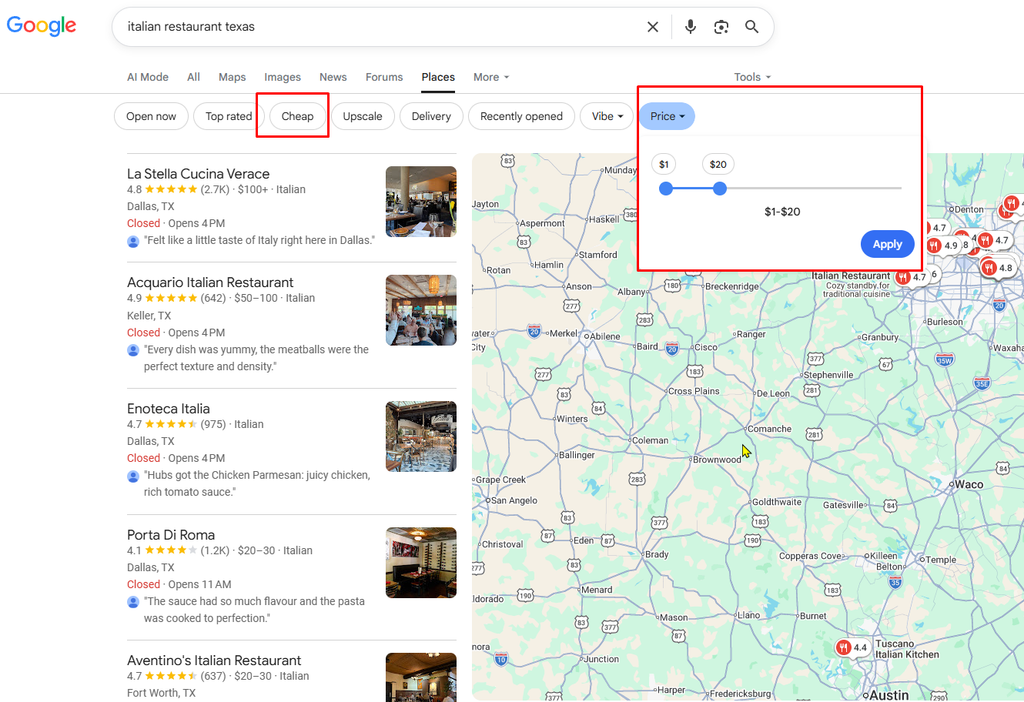
I used to default to the same popular chains because they were familiar. Once I started using map filters for price and rating, I discovered local spots with generous portions and lower prices that became my new regulars.
Using filters for price and rating on map apps helps you discover highly rated but affordable spots you might not notice otherwise. Searching for “cheap eats,” “budget,” or “value” plus your city can surface local favorites that don’t rely on heavy marketing.
Once you identify a few reliable places, you can rotate between them instead of constantly trying new, more expensive venues. This also makes it easier to learn the best deals, portions, and dishes at each location.
Keep leftovers and plan around them
Planning one or two meals around leftovers from your restaurant visits reduces the need for additional takeout. A large pasta dish, stir‑fry, or grilled protein can be repurposed into lunches, wraps, or grain bowls for the next day or two. This works especially well if you’ve already boxed half your meal at the restaurant.
Tracking these leftovers in your weekly meal plan helps you avoid over‑buying groceries or ordering extra food. If you need help estimating realistic grocery amounts for your household, you might check guidance on how much two people should spend on groceries a month.
Use a simple spending limit when you’re out
Setting a dollar limit before you order keeps your choices focused. Decide the maximum you want to spend on food and drinks, then scan the menu with that number in mind. Small changes like skipping one drink or sharing a side can keep you under that limit without feeling deprived.
This works better than vague goals like “spend less” because you have a clear boundary in the moment. If you find yourself consistently over or under, you can adjust the limit next time based on what felt realistic.
Mobile‑friendly savings comparison table
This table summarizes common moves and their typical impact on a bill. Amounts are in dollars as examples and will vary by location and restaurant.
| Strategy | Typical savings on a $40 meal (example) | Notes |
|---|---|---|
| Order water instead of 2 paid drinks | $6–$10 | Works at most casual and fast‑casual spots |
| Skip appetizer | $7–$12 | Especially useful when you’re not very hungry |
| Share entree or order smaller portion | $10–$20 | Ask about splitting policy before ordering |
| Pickup instead of delivery | $8–$15+ in fees | Plus lower menu prices in many apps |
| Use discounted gift cards | 10–20% off total | Buy in advance for places you visit regularly |
| Lunch or happy hour instead of dinner | 20–40% lower prices | Check specific days and times for deals |
You can scroll horizontally on small screens if needed.
Is it better to cut out eating out completely?
Cutting out restaurants entirely works for some people, yet many find it unsustainable and end up overspending later. A more common approach is setting a clear budget for dining and using strategies to get more value from each meal. This lets you keep social plans and treats without derailing your overall finances.
How much should I budget for eating out?
The right amount depends on your income, location, and priorities. Some households allocate 5–10% of their net income to dining and takeout, while others use a fixed monthly cap. Reviewing your past three months of spending gives a realistic baseline to adjust from. For more detail, you can explore how much you should budget for eating out. What are the easiest ways to save money on eating out?
The fastest wins usually come from ordering water, skipping appetizers, sharing entrees, and choosing pickup over delivery. Adding one or two of these habits to your routine can lower your average bill without much effort. Over time, those small differences add up across multiple meals.
When eating out fits your budget
Eating out doesn’t have to be the enemy of your budget. With a clear spending plan, a few repeatable ordering habits, and honest conversations with the people you share meals with, you can keep restaurants as a normal part of life. The goal isn’t perfection. It’s making choices that feel good in the moment and still line up with the money goals you care about.
If you want more support staying on track, you might find it helpful to read about how to stick to a budget.