
It feels like entertainment is chasing you from every corner of your phone and TV, teasing you with “don’t miss this” vibes. FOMO (fear of missing out) sneaks in while your subscriptions quietly keep billing, plans appear to “pop up,” and tiny purchases add up faster than you notice.
Even with endless streaming and viral videos, some of the best ways to have fun are sitting right under your nose.
In this article, we’ll go over tips for cutting costs without cutting out the fun.
Why Entertainment Feels So Expensive Now
Streaming services keep raising prices to cover flashy originals and live sports, and suddenly your $70-a-month habit feels like rent for the couch. Disney+ hit $18.99, Netflix and Hulu aren’t far behind, and it seems like every week there’s another “must-have” channel you didn’t even know existed. Meanwhile, you’re still rewatching The Office for the third time.
Concerts and live shows aren’t getting any friendlier. Dynamic pricing, holograms, and venue costs push ticket prices past $200 for shows that used to feel like a treat. Nearly half of live music spots are facing huge rate jumps, and fans end up paying for it.
Even sports events are riding the same wave — ticket inflation plus big production budgets and AI gimmicks. Services bundle options, extras keep piling up, and suddenly casual entertainment feels like something you need to plan for months in advance, instead of just enjoying.
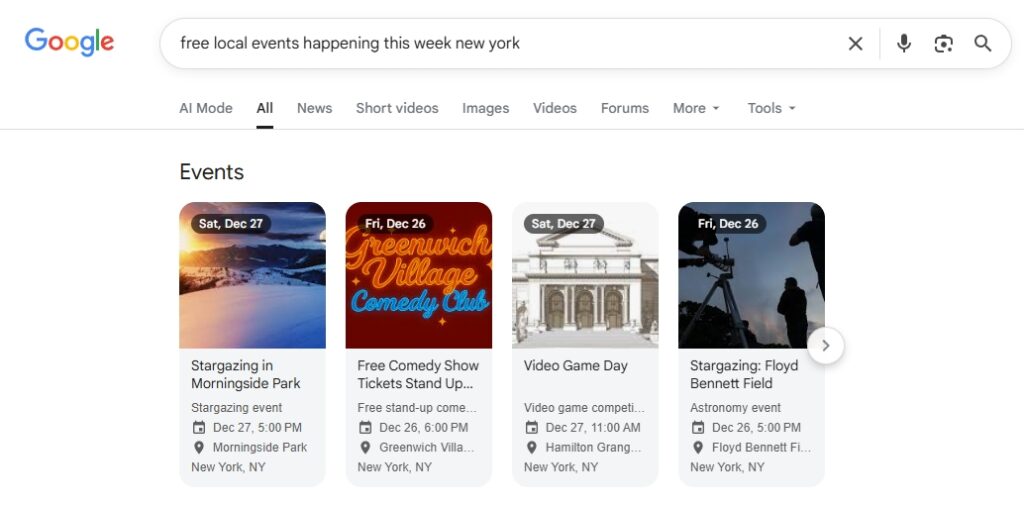
Go to Free Events Even If They’re Not Your Thing
Free events don’t need to align perfectly with your interests to be enjoyable, especially when there’s no pressure to stay. Novelty carries the experience on its own.
- Lectures on unfamiliar topics
- Cultural demonstrations
- Community exhibits
You can search online for “free things to do in [city]” to find options near you.
Rotate Streaming Services Instead of Keeping Them All
Most shows drop, you binge them in a week, and then you never touch them again, but the subscription keeps renewing like you’re still deep into the catalog.
If we’re being honest, you and I usually just rewatch the same comfort shows while scrolling on our phones anyway. Rotating streaming services just makes sense when attention comes in phases and nostalgia does most of the heavy lifting.
- Keeping one platform active for a month while interest is high
- Catching up on shows in a short, focused window instead of stretching it out
- Pausing subscriptions without deleting accounts or making it permanent
Use Free Streaming Channels You Forgot About
Free, ad-supported streaming didn’t go away when subscriptions took over; it just became quieter and less flashy, settling into the background while paid platforms competed for attention.
These channels feel familiar in a comforting way, imperfect but steady, and surprisingly good at filling time without asking for commitment.
- Ad-supported movie and TV apps that come preloaded on devices
- Free live TV channels built into smart TVs
- Older shows looping endlessly as background noise
Share Streaming Subscriptions the Legal Way
Most streaming platforms still expect people to share within households or families, even if they don’t advertise it loudly, and using those options usually means fewer people paying separately for the same access. Nothing really changes about what anyone watches, except the money stops duplicating itself.
- Family or household plans split across people
- Shared access that stays within platform rules
- Fewer individual subscriptions covering the same content
Let YouTube Be Your “I Just Want to Relax” Space
YouTube quietly became the place you and I go when we don’t want to decide anything, compare options, or commit to a whole show, but still want something on in the background. It fills the space in a low-effort way, never demanding attention, never judging, just there while life happens around it.
I’ll usually put on LoFi while working, and on slower days I let Outdoor Boys play in the background, more for the feeling than the focus.
- Ambient music or spa-style playlists
- Long videos that don’t require constant attention
- Walking tours, travel footage, café sounds, or anything that makes the space feel less quiet without becoming a distraction
Actually Check Your City’s Parks and Recreation Page
Local entertainment often lives in places that look outdated but are very much alive, quietly listing events that don’t need hype to be enjoyable.
These tend to be slower, calmer experiences that feel more human than anything promoted heavily online.
- Guided walks, hikes, or casual tours
- Stargazing nights and outdoor classes
- Seasonal events that rarely trend
Treat Free Classes Like One-Time Experiences
Free classes don’t need to turn into long-term commitments to be worthwhile, and approaching them as temporary experiences makes them easier to enjoy.
You show up, try something unfamiliar, and leave without pressure to repeat it.
- Intro fitness sessions
- Craft or cooking workshops
- Community center classes
Leave Room for Nights With No Plan
Not every evening needs to feel intentional or productive, even though modern life tends to suggest otherwise. Leaving space for nights where nothing is scheduled often reduces the urge to spend money just to make the time feel justified.
- Music playing while the lights stay low
- Phones set aside instead of constantly checked
- Time passing without needing to label the evening
Make the Library Part of Your Routine
Libraries quietly evolved into places where entertainment and curiosity overlap, without the urgency or upselling that comes with paid platforms. Even browsing without a specific goal tends to fill time in a calm, grounding way.
- Movies, TV shows, e-books, and audiobooks
- Video games and board games
- Museum and attraction passes
Go to Museums When They’re Free and Quiet
Museums feel noticeably different when there’s no ticket involved, because the pressure to “get your money’s worth” disappears. Wandering becomes the point rather than something squeezed between exhibits.
- Monthly free admission days
- Community access weekends
- Evening hours with fewer people
Walk Around Without a Destination
Moving through a city without errands changes how familiar places feel, turning streets into something you observe rather than something you need to get through. Time stretches when there’s nowhere specific to be and nothing on a checklist waiting to be crossed off.
I love people-watching, so I’ll usually grab a coffee, sit somewhere crowded, and just look around, noticing how people move, talk, and exist in the same space for a while.
Other times, I head to the mall purely to hit my 10k steps, enjoying the simple pleasure of walking in an air-conditioned room while letting my mind drift.
- Exploring unfamiliar neighborhoods without a plan or destination
- Sitting in public spaces with no rush to leave
- Window shopping without buying anything, just observing and wandering
Let Being Outside Count as Entertainment
Outdoor spaces absorb time without asking for anything in return, offering a kind of entertainment that doesn’t need upgrades or scheduling. They naturally slow attention in a way few paid activities do.
- Parks, beaches, and trails
- Picnics with food you already made
- Long walks without tracking anything
Treat Movement Like Play, Not a Project
Exercise stops feeling like a chore when it’s not tied to goals, metrics, or schedules, and it’s easier to actually enjoy when it exists just to fill time or break up the day.
Movement can be entertaining on its own, whether it’s slow, spontaneous, or a little silly, and it often overlaps with ways we relax without realizing it.
- Free workouts online
- Walking instead of structured gym sessions
- Casual swims at public pools
Do Things You Liked as a Kid, Casually
Some forms of fun never stopped working; they just stopped being marketed to adults. Returning to them without irony makes time pass in a way that feels familiar and grounding.
- Jump rope or sidewalk games
- Board games without stakes
- Moving just to move
Use Paper Instead of Another App
Not everything needs to live behind a subscription or notification system. Writing by hand slows thoughts down and creates space without demanding engagement.
- Journaling freely
- Keeping a dream or idea notebook
- Making lists without outcomes
Learn Random Things With No Goal
Learning fills time in a way that feels satisfying even when it doesn’t lead anywhere specific. Curiosity alone becomes enough to justify the experience.
- Online talks or lectures
- Library-hosted workshops
- Community education events
Volunteer Where It Feels Light
Volunteering fills social time without adding financial pressure, especially when the environment feels relaxed rather than heavy. It quietly adds structure to days.
- Assist at e-sports venues or virtual streams for VR demos and competitions
- Volunteer at animal shelters or community theaters for up-close experiences
- Help run park tours, college events, or local talent shows in exchange for access
- Support animal interactions or local presentations while gaining a closer look at the action
Play Games That Don’t Ask for Money
Gaming doesn’t need constant upgrades to stay engaging, and slower games often hold attention longer without draining wallets.
- Free-to-play games
- Library-borrowed video games
- Casual app games
Glance at Entertainment Spending Occasionally
Simply noticing patterns changes behavior without turning fun into something monitored. Awareness does most of the work on its own.
- Quick monthly check
- Spotting trends over time
- No strict rules
Use Discounts and Rewards Smartly
You don’t need to hunt for coupons obsessively – just knowing which cards, apps, or memberships slice prices quietly is enough.
That could mean using your student ID for cheaper streaming, grabbing group deals for escape rooms, or snagging seasonal passes for pools and trails. Apps even help you find codes for renewed gadgets or ticket bundles, so you get more fun without feeling the pinch.
- Memberships and cards for amusement parks and theaters
- Apps that hunt promo codes for streaming or devices
- Seasonal passes for pools, trails, or attractions
- Student or ID discounts for streaming and events
- Group deals for escape rooms, shows, or dinner-and-entertainment combos
Date Nights Without the Price Tag
Who says date nights need a bill? Fun can be found in simple, silly, or unexpected moments when you’re together. Laughing over small games or watching strangers do life can be surprisingly romantic.
- Walk through local markets or streets looking for live performances or street art.
- Picnic with homemade treats at a park or along a riverbank.
- Check out public game lounges, escape rooms with free hours, or virtual reality demos.
- People-watch in busy plazas, explore art corners, or hunt for photo-worthy murals.
- Join pop-up creative workshops, DIY events, or small local festivals to make memories without spending much.
Keeping Life Fun Without Paying for Every Moment
Fun doesn’t need a price tag. It hides in your favorite rewatchable shows, people-watching at crowded spots, or having LoFi in the background while you try to “focus” on work. All the things you already do anyway are entertainment in disguise – no subscription, ticket, or checkout needed. Try one free activity this weekend and notice how fun it can be.
If you want more space for free or low-cost fun, learning how to organize your finances can help you enjoy it all without the money worries.