Last updated on September 9th, 2026 at 02:09 am
Saving money can feel unmotivating when the amount you’re able to put away each month seems too small to matter. You transfer $50 into savings and it barely moves the number, so the effort starts to feel pointless before it’s even had a chance to add up. If that’s where you’re at, you’re not doing anything wrong. Motivation to save money tends to fade when you don’t see results fast enough, even before the habit has a chance to stick. This guide walks through what keeps people saving once that initial excitement wears off.
Find Your Real Reason to Save
Saving just to save feels like punishment. Your brain rebels against it. That’s why the first step isn’t opening a savings account, it’s figuring out what you’re actually saving for.
Maybe it’s an emergency fund so you don’t panic when the car breaks down. Maybe it’s a trip to Japan you’ve been dreaming about for three years. Maybe it’s the option to quit a job that’s draining you. Whatever it is, get specific. Write it down. Put a number on it. Give it a deadline.
Start So Small It Feels Almost Silly
Most people fail at saving because they start too big. They look at their budget, do the math, and decide they can save $500 a month. That’s ambitious. It’s also unsustainable if you’ve never saved before.
Start with $25 a month. Or $10. Or even $5. The amount doesn’t matter as much as proving to yourself that you can do this consistently. Once you’ve saved for two or three months without touching it, increase the amount. Go from $25 to $50. Then $75. Build the habit first, then scale it.
Think of it like going to the gym. You don’t start by lifting the heaviest weight. You start light, learn the form, and build from there.
Automate Everything You Can
Motivation is unreliable. Automation isn’t. Set up an automatic transfer from your checking account to your savings account on payday. Make it happen before you even see the money in your main account.
You can also ask your employer to split your direct deposit. Send part of your paycheck straight to savings and the rest to checking. That way you’re saving before you have a chance to spend.
The goal here is to make saving the default, not the decision. You shouldn’t have to choose to save every month. It should just happen.
Give Your Savings Accounts Actual Names
“Savings Account 1” doesn’t inspire anyone. But “Emergency Fund,” “Japan Trip 2027,” or “Freedom Fund” tells a story. It gives that money a job.
When you name your savings, you’re not just moving numbers around. You’re funding something specific. That mental shift makes it harder to dip into savings for random purchases. You’re not just taking money from an account. You’re stealing from your future self.
Some people take this further and open separate accounts for each goal. One for emergencies. One for travel. One for a house down payment. Seeing each bucket grow separately makes progress feel more real.
Track Your Progress Visually
Numbers on a screen are abstract. Visual progress is motivating. Create a simple chart, graph, or thermometer-style tracker that shows how close you are to your goal. Update it every time you add to savings.
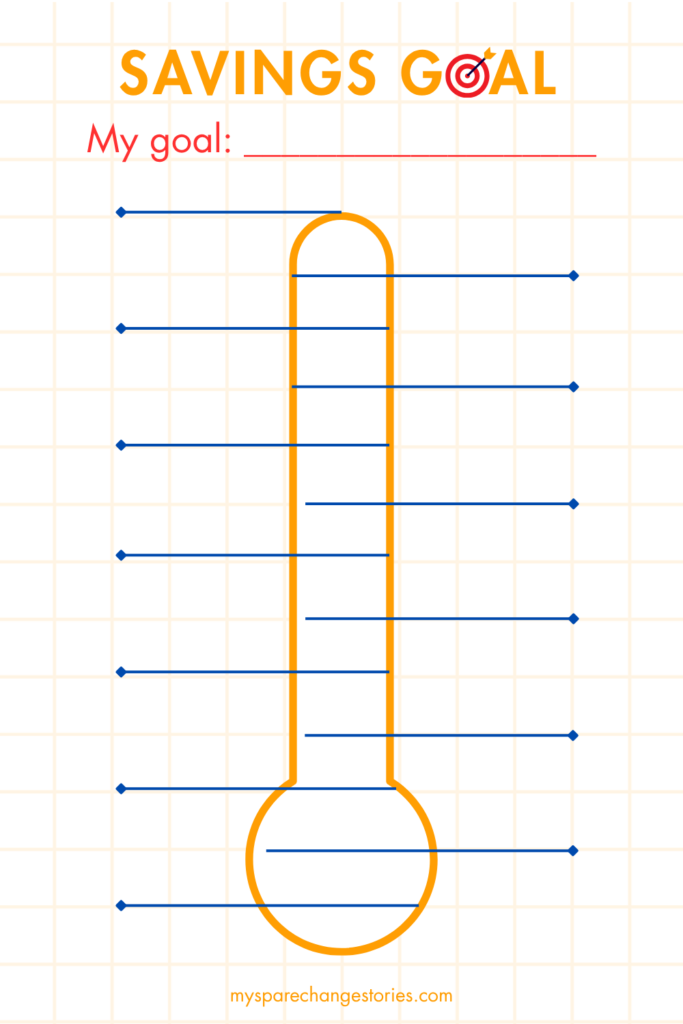
You can do this in a spreadsheet, on paper, or with a budgeting app. The format doesn’t matter as much as making it visible. Put it somewhere you’ll see it regularly. A screenshot as your phone wallpaper. A printed chart on your fridge. A widget on your home screen.
When you see that bar filling up or that line climbing higher, it triggers something in your brain. You want to keep going. You want to see it reach the top.
Need More Ways to Save?
Find money-saving ideas, challenges, and useful tools that can fit different budgets and goals.
See More Saving Ideas →Break Big Goals Into Tiny Wins
Saving $10,000 feels overwhelming. Saving $1,000 ten times feels achievable. Break your big savings goal into smaller milestones and celebrate each one.
Hit $500 saved? That’s worth acknowledging. Reached $1,000? Treat yourself to something small. A nice meal. A movie. A new book. Something that reminds you you’re making progress without derailing your savings.
These mini-celebrations keep you engaged. They give you regular hits of accomplishment instead of waiting months or years for one big payoff.
Use the 30-Day Rule for Impulse Purchases
You see something you want. It’s not a necessity, but it’s tempting. Instead of buying it immediately, wait 30 days. Write down what it is, how much it costs, and set a reminder.
Most of the time, that urge fades. You forget about the item entirely. Or you realize you don’t actually need it. When the 30 days are up and you still want it, you can buy it. But you’ll probably find the impulse has passed.
This works because it creates space between the trigger and the action. You’re not denying yourself. You’re just delaying the decision long enough to think clearly.
Find an Accountability Partner
Tell someone about your savings goal. A friend, partner, or family member who’ll check in on your progress. Having someone else who knows what you’re trying to do makes it harder to give up.
You can even make it a team effort. Challenge a friend to see who can save more in a month. Share your wins and struggles. Compare strategies. Having someone in your corner makes the whole process feel less lonely.
Gamify Your Savings
Turn saving into a game. Try a 52-week challenge where you save $1 in week one, $2 in week two, and keep increasing. Or do a no-spend month where you only buy essentials. Create your own challenges based on what works for your lifestyle.
Some people track every single expense in a spreadsheet. They know where every cent goes. It sounds intense, but it creates awareness that changes behavior. You spend more mindfully when you’re watching the numbers closely.
Others use apps that round up purchases and save the difference. Buy something for $4.50 and $0.50 goes to savings automatically. Small amounts add up without feeling like sacrifice.
Want to build momentum fast? Try one of these money saving challenges to jumpstart your savings.
Explore Money Saving ChallengesBuild in Fun Money
Saving doesn’t mean you can’t spend anything. Budget for fun money every month. A set amount you can use however you want without guilt.
This prevents the all-or-nothing mentality that derails so many savings plans. You’re not restricted from spending entirely. You just have a limit. When you stay within it, you’re still on track with your goals.
Change Your Environment to Reduce Temptation
Make spending harder and saving easier. Delete shopping apps from your phone. Unsubscribe from marketing emails. Remove saved credit cards from websites. Add friction to impulse purchases.
At the same time, make saving effortless. Keep your savings account at a different bank so it’s not too easy to transfer money out. Turn off notifications that trigger FOMO spending. Curate your social media to show less consumer content.
Your environment shapes your behavior more than you realize. Design it to support your goals.
Visualize Your Future Self
Take a moment to picture where you want to be in five or ten years. What does your life look like? What choices do you have? How does it feel to have financial security?
Then think about the version of yourself that didn’t save. What does their life look like? What options don’t they have? What stress are they dealing with?
This isn’t about fear. It’s about clarity. When you connect today’s choices to tomorrow’s reality, saving becomes less abstract. It’s not just money in an account. It’s freedom, security, and options for your future self.
Reevaluate and Adjust Regularly
Life changes. Your savings plan should too. Check in on your goals every few months. Are they still relevant? Do they need adjusting? Did your income change?
Maybe you started saving for a vacation but now you’re thinking about a house. Maybe you got a raise and can increase your savings rate. Maybe you had an emergency and need to rebuild your fund.
Flexibility keeps you motivated. You’re not locked into a plan that no longer fits your life. You can adapt and keep moving forward.
Remember Why You Started
There will be months when saving feels impossible. When every dollar seems to go somewhere else. When you question whether it’s worth it.
In those moments, go back to your reason. The one you wrote down at the beginning. The thing that matters more than today’s impulse purchase. Remind yourself why you’re doing this.
Saving isn’t about restriction. It’s about creating a life where you have choices. Where you’re not one emergency away from disaster. Where you can say yes to opportunities because you’ve prepared for them.
Your Savings Journey Starts Now
You don’t need perfect motivation to start saving. You just need to begin. Pick one strategy from this list and try it this month. Automate a small transfer. Name your savings account. Create a visual tracker.
The momentum builds from there. Each small win makes the next one easier. Each month you save proves to yourself that you can do this. And before you know it, you’re not just saving. You’re building something real.
Your future self is already thanking you.